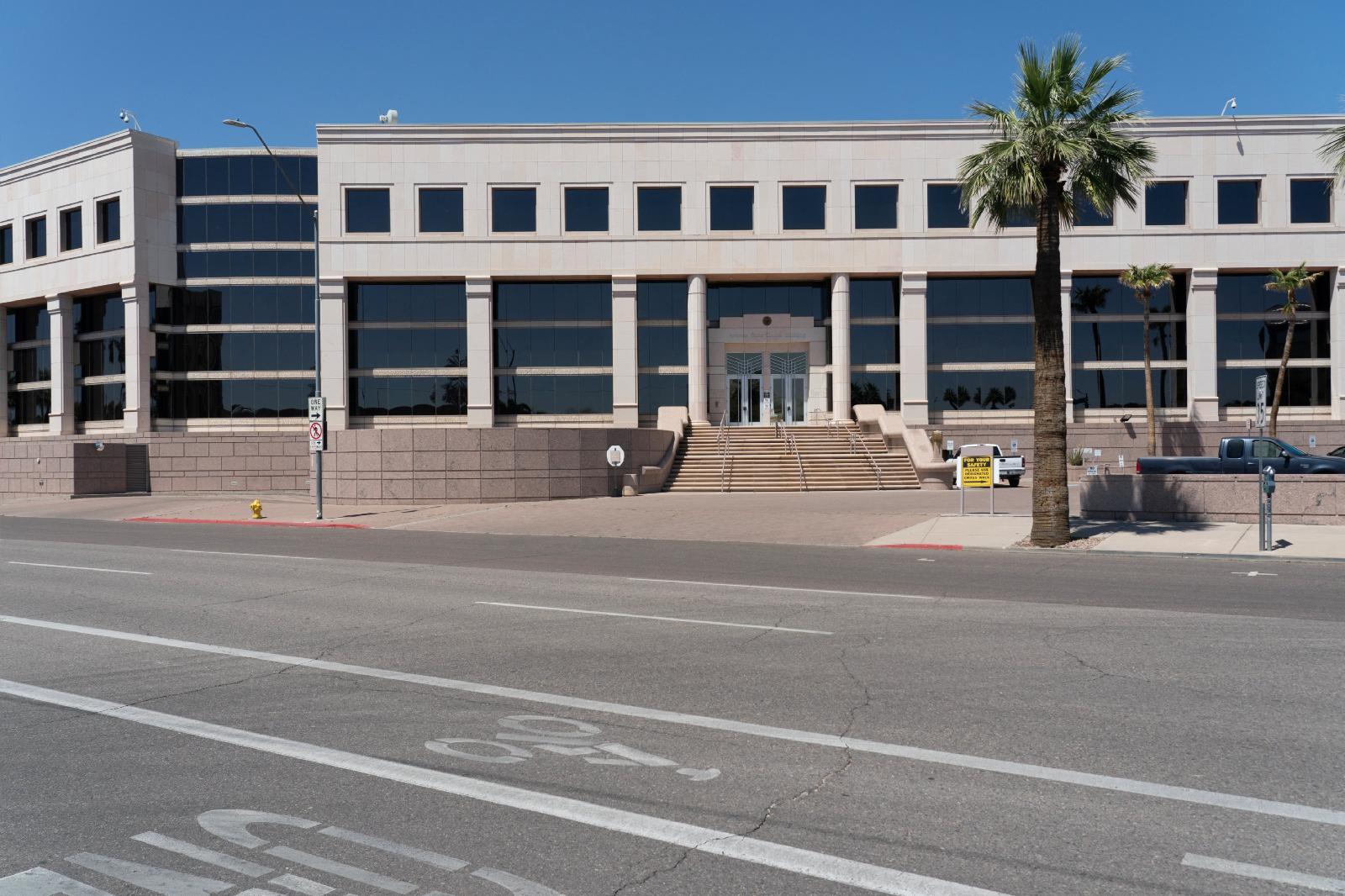
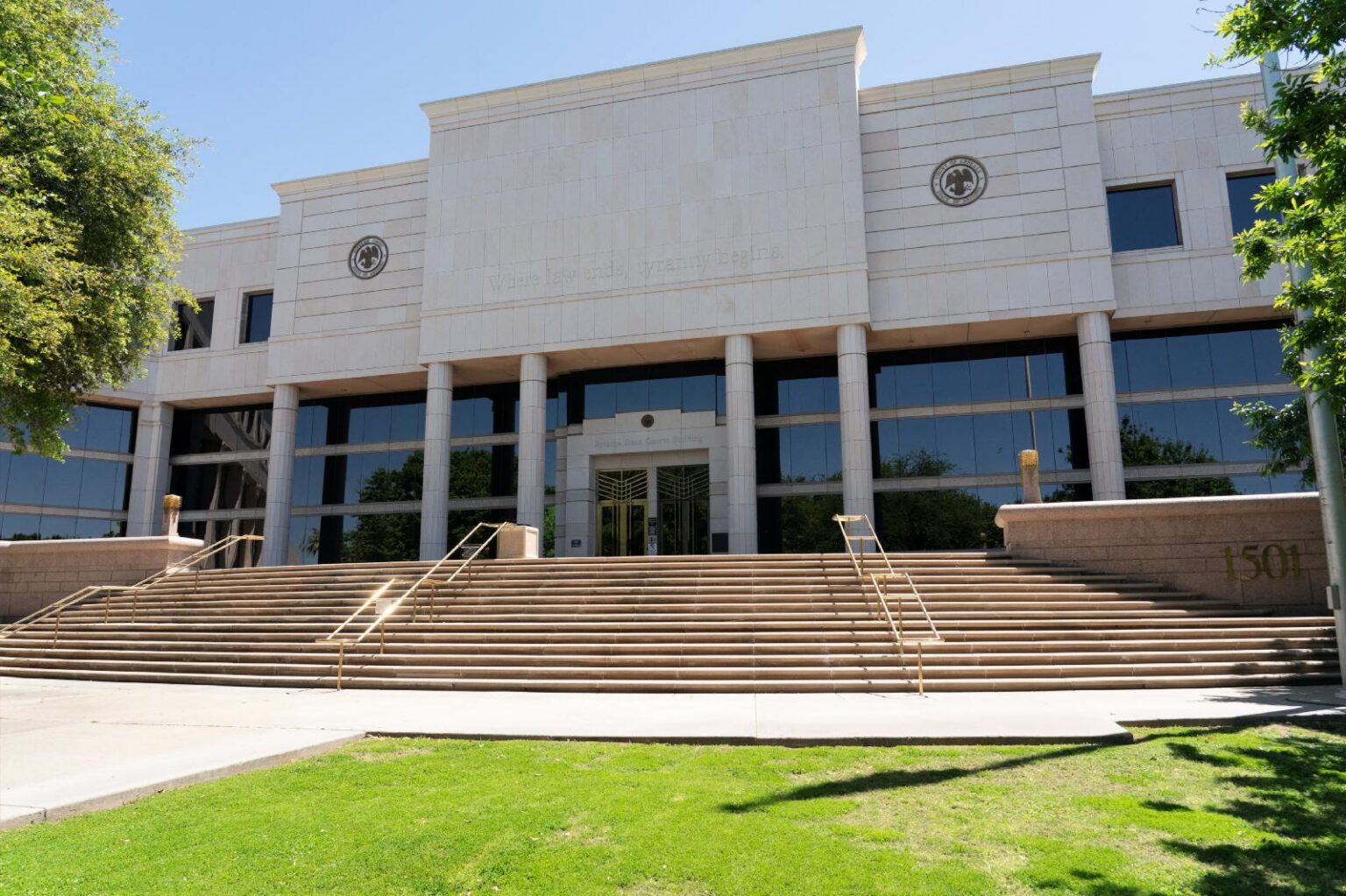
(OSV News) — In a unanimous decision, Arizona’s Supreme Court upheld a broad definition of clergy-penitent privilege July 30. While the case involved the Church of Jesus Christ of Latter-day Saints, widely known as the Mormon church, the ruling has implications for the Catholic Church’s defense of the seal of the confessional.
The Arizona case, Doe v. Corporation of the President of the Church of Jesus Christ of Latter-day Saints, centers on a Latter-day Saints member, who had confessed to abusing his children in the context of the Mormon church’s formal repentance process. The plaintiffs sued the church along with individual clergy members for failing to report the abuse.
The Catholic dioceses of Arizona — Phoenix, Tucson and Gallup, New Mexico (which includes part of Arizona) — filed a friend-of-the-court brief in support of the Church of Jesus Christ of Latter-day Saints, along with other groups including the Arizona Conference of Seventh-day Adventists, the Arizona Association for Justice and Becket, a religious liberty firm.
“While the Catholic Entities do not in any way minimize or dismiss the tragic facts of the underlying case, the decision is legally untenable for two reasons,” attorneys for the dioceses argued.
‘Secular factfinder’ violates church autonomy doctrine
The first, they said, because “allowing a secular factfinder to evaluate the sincerity of a confession’s ‘confidentiality'” or whether it is valid confession under a particular church’s teaching, violates the church autonomy doctrine.
“The interpretation of matters of Catholic faith and doctrine, especially regarding the sacramental law and the sacred seal of Confession, are not matters within the civil court’s jurisdiction,” they said.
Secondly, they said, it would burden the free exercise of religion, forcing priests to choose which law to obey.
“If compelled to disclose a sacramental Confession, the priest would be placed in the untenable position of either violating the inviolable seal — at the expense of his eternal soul — or facing significant civil and criminal penalties.”
The seven justices — six Republican appointees and one Democratic appointee — unanimously agreed that allowing the suits to proceed would violate the First Amendment.
Reporting to law enforcement, other government authorities
The Arizona statute in question requires “any person who reasonably believes that a minor” is a victim of abuse must “immediately report or cause reports to be made” to law enforcement or other government authorities. However, the statute says a clergy member is not required to report abuse of a minor when the member learns of the abuse during a “confession” or “confidential communication” and the member “determines that it is reasonable and necessary within the concepts” of their religion to refrain from reporting the abuse.
According to the facts before the court, the perpetrator (who committed suicide in 2017) confessed the sexual abuse to his bishop — the equivalent of a pastor in the Latter-day Saint faith — in 2011, then confessed to his wife in the presence of his bishop. The third confession occurred during a 2012 church disciplinary hearing, leading to the perpetrator’s excommunication in 2013.
The court noted that the Latter-day Saints considered the admissions — including before the man’s wife — “to be confidential communications or confessions received in their role as bishops of the Church.”
Plaintiffs argued, however, that because the second confession occurred in front of his wife, and that because some members of the church hearing were not clergy, that the clergy-penitent privilege no longer applied.
Not up to court to define what qualifies as ‘confession’
But in his opinion for the court, Vice Chief Justice John R. Lopez IV argued that it is not up to the courts to define what qualifies as a “confession” or “confidential communication” within the context of that tradition.
“The First Amendment’s constraint on courts against resolving matters involving the interpretation of church discipline, doctrine and internal procedures extends to what qualifies as a ‘confession’ or ‘confidential communication’ under established customs and rules,” he wrote.
According to the Latter-day Saints General Handbook, the church followed the procedures established at the time, Lopez wrote.
The argument that the defendant’s admissions “before non-clergy Council members waived the Clergy-Penitent Privilege does not foreclose our holding that those admissions are confidential communications pursuant to Church doctrine and, thus, justify the Church Defendants’ failure to report … abuse under the reporting statute.”
The statute implicitly requires the entity asserting the clergy exemption to provide relevant “doctrinal facts and standards to invoke it,” Lopez said.
Decision disappointing to SNAP Survivors Network
The decision was met with disappointment by the SNAP Survivors Network, with the organization arguing in an Aug. 4 statement that “protecting a clergy member’s rights under the First Amendment to determine whether a religious doctrine applies is tantamount to shielding the church from doing what is right. Furthermore, denying the safety of a child should not be the price for that freedom.”
The courts have consistently upheld the religious liberty of priests and other clergy from being compelled to reveal information obtained during a confession, including a recent case in Washington state.
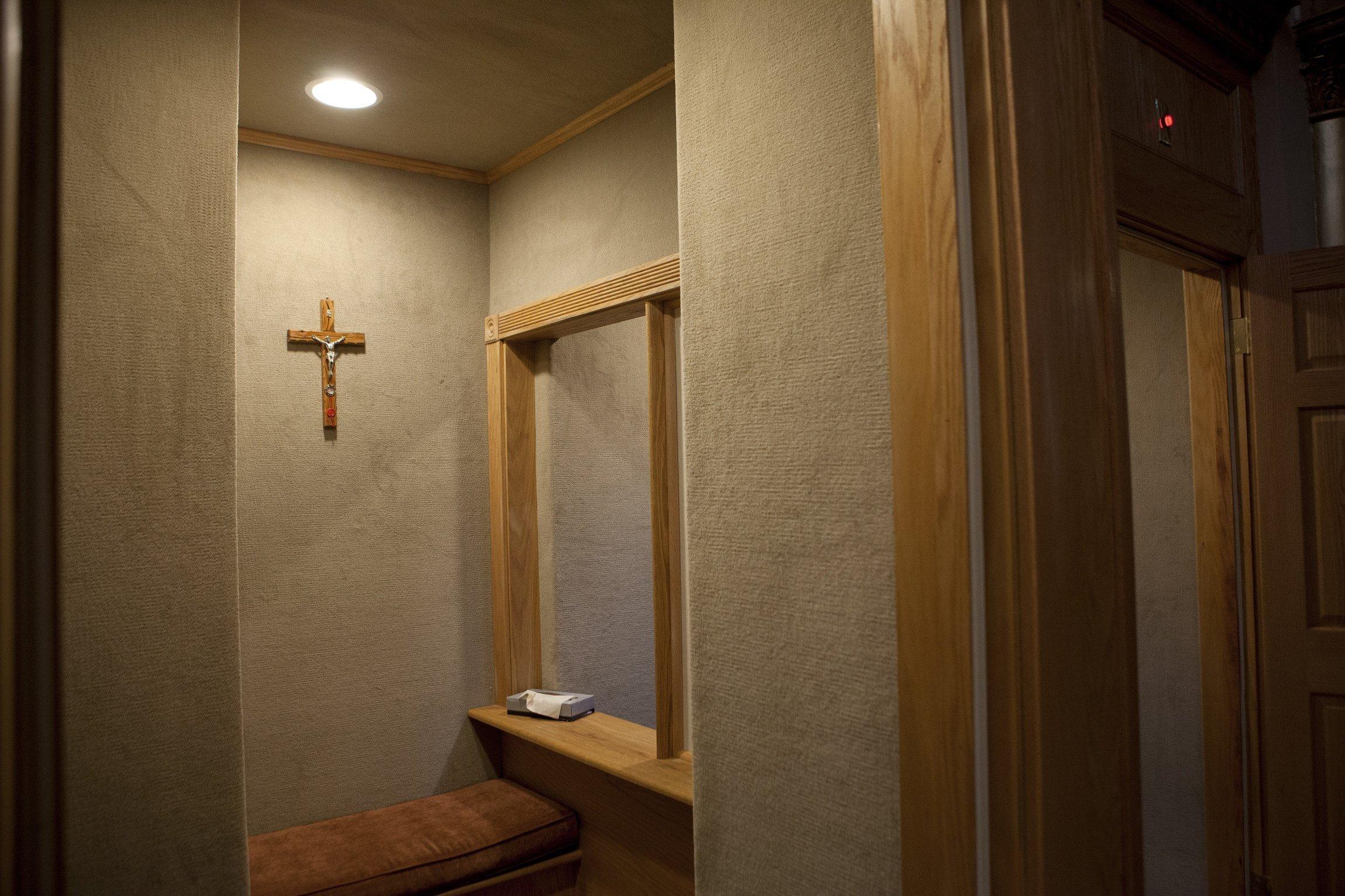
The Catholic Church teaches, in its Catechism of the Catholic Church, that the sacrament of reconciliation involves the priest being “the sign and the instrument of God’s merciful love for the sinner,” modeled after the Good Shepherd, the good Samaritan and the loving father who welcomes the prodigal son. The catechism states for this reason, and the delicacy involved for people approaching the sacrament with their sins, the contents are sealed: A priest can “make no use of knowledge that confession gives him about penitents’ lives” and “every priest who hears confessions is bound under severe penalties to keep absolute secrecy.”
In Arizona, State Rep. Quang Nguyen, R-Prescott Valley, and chair of the House Judiciary Committee, denied a hearing for a bill, H.B. 2039, that would have amended the statute eliminating the clergy-penitent privilege when a minor is involved.
‘Court ruled to protect the confessional seal’
“I’m not putting an unconstitutional bill on the agenda in my judiciary committee,” Nguyen told OSV News. “The federal courts already ruled against the state of Washington for passing an identical bill to force Catholic priests to have to reveal what is being said in a confessional booth. Now, the Arizona Supreme Court also ruled to protect the First Amendment and also to protect the confessional seal.”
Nguyen said his experience growing up in Vietnam, as communism took over the country, helped him understand the importance of religious freedom.
“I was in a communist war from the day I was born until the day I left during the fall of Saigon,” he said. “Communism cannot exist side-by-side with religion.”
Today, Nguyen said, he still sees an effort in the U.S. to “break down religion … and it begins with the seal of confession.”
In its 2026 Legislative Wrap-up, the Arizona Catholic Conference addressed the seal of confession among other issues, thanking leaders who challenged the legislation.
“Priests cannot break the Seal of Confession under any circumstances and proposals to do so demonstrate a continued and troubling threat to important religious freedoms,” the conference said. “Arizona is fortunate to have legislative leaders that value this basic freedom … who did not allow this measure to move.”
Tony Gutiérrez is an OSV News correspondent. He writes from Texas.