(OSV News) — Christians are called to reflect Mary’s authentic beauty, which is revealed through a life of enduring love rather than worldly aesthetic standards, Pope Leo XIV said.
Celebrating the Feast of the Assumption Aug. 15, the pope said the artistic depictions of a youthful Mary ascending to heaven stand in stark contrast to the reality of aging that all people experience.
“The glorification of Mary, body and soul, teaches us that our true beauty does not lie in hiding the signs of aging, but in revealing the signs of love that never end, and are even impressed on our flesh,” he said.
“With this in mind, we are invited to reexamine many of the aesthetic standards, predominantly hedonistic and consumerist in nature, that the world imposes on us,” he added.
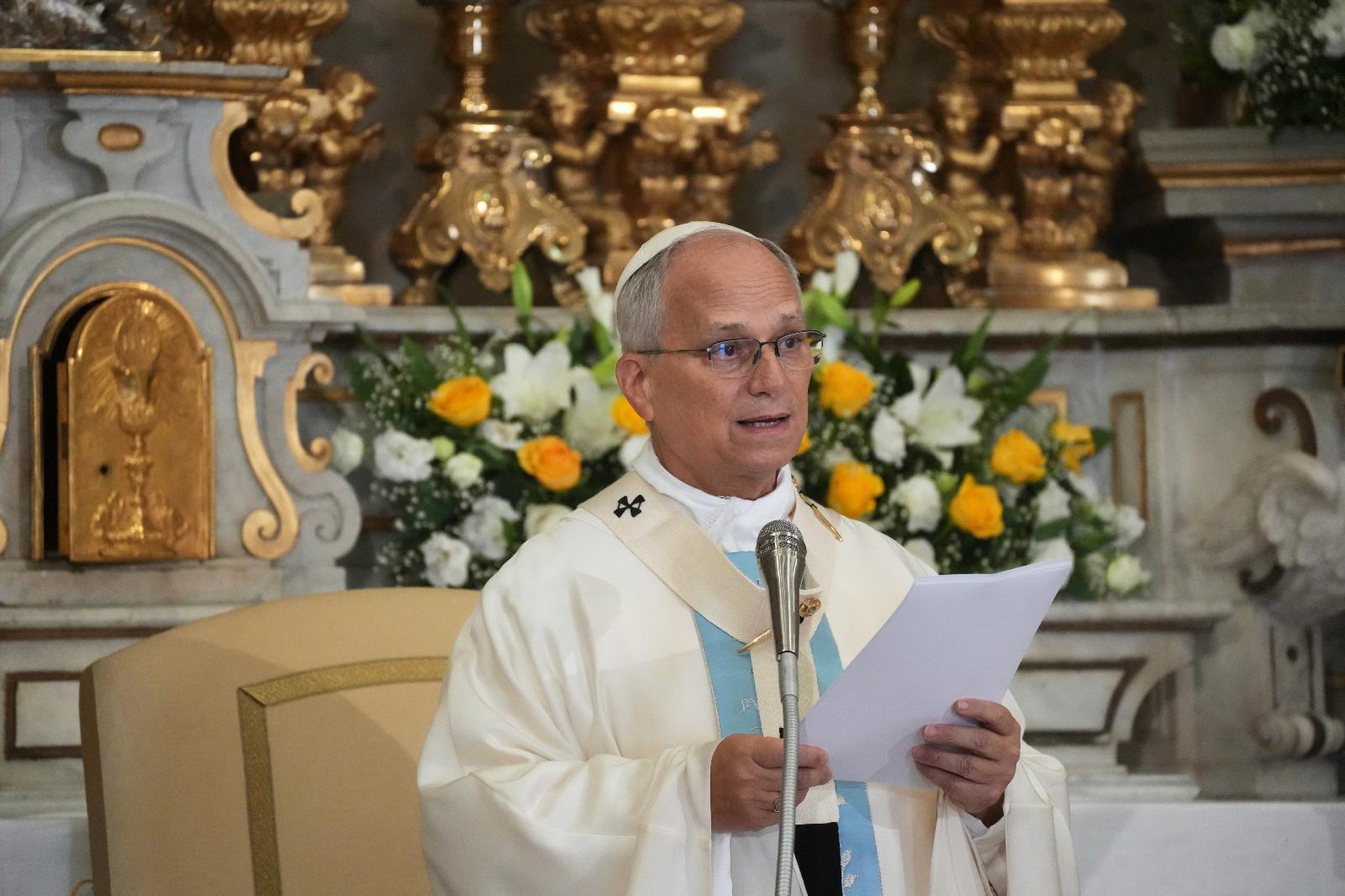
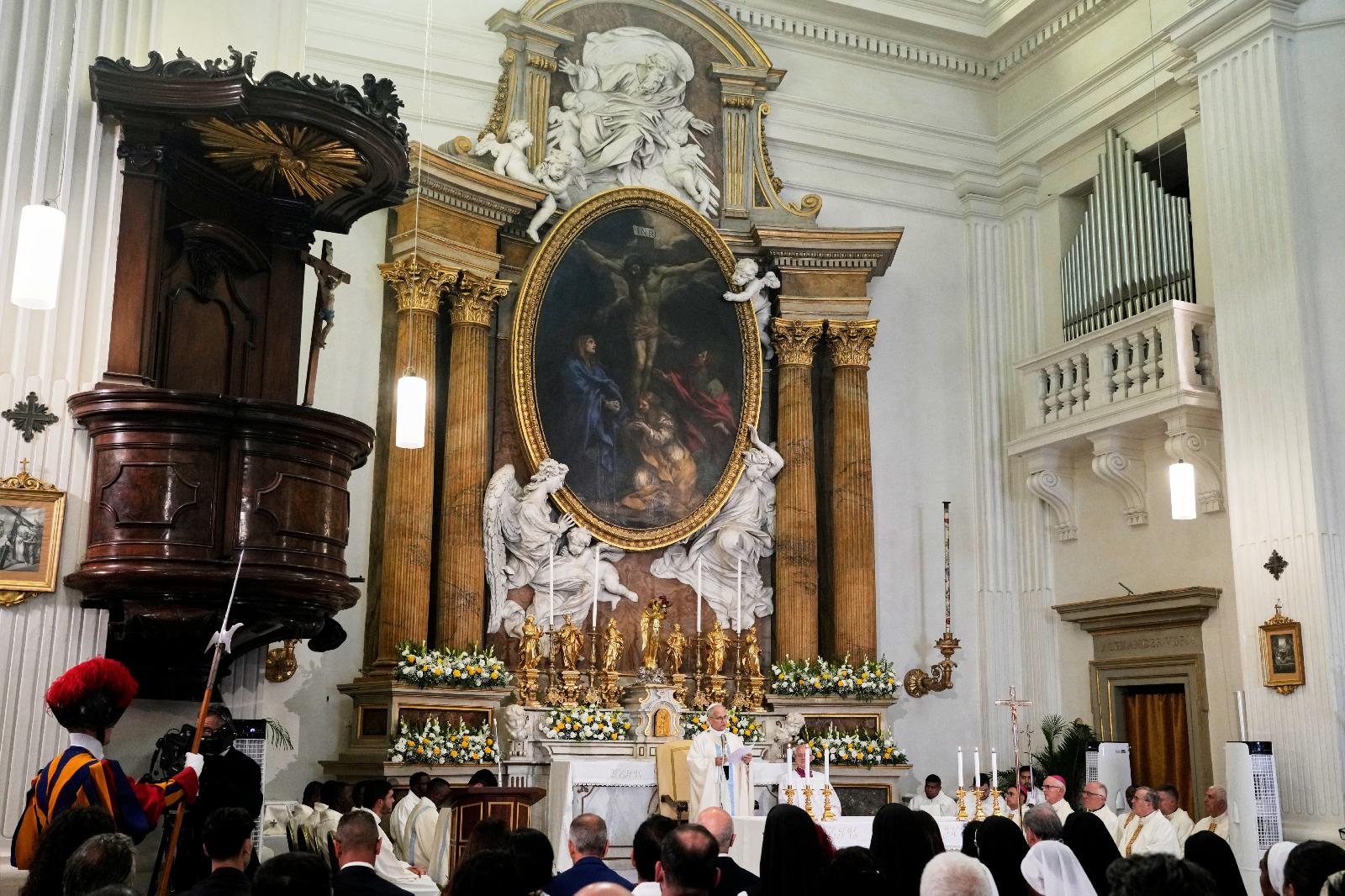
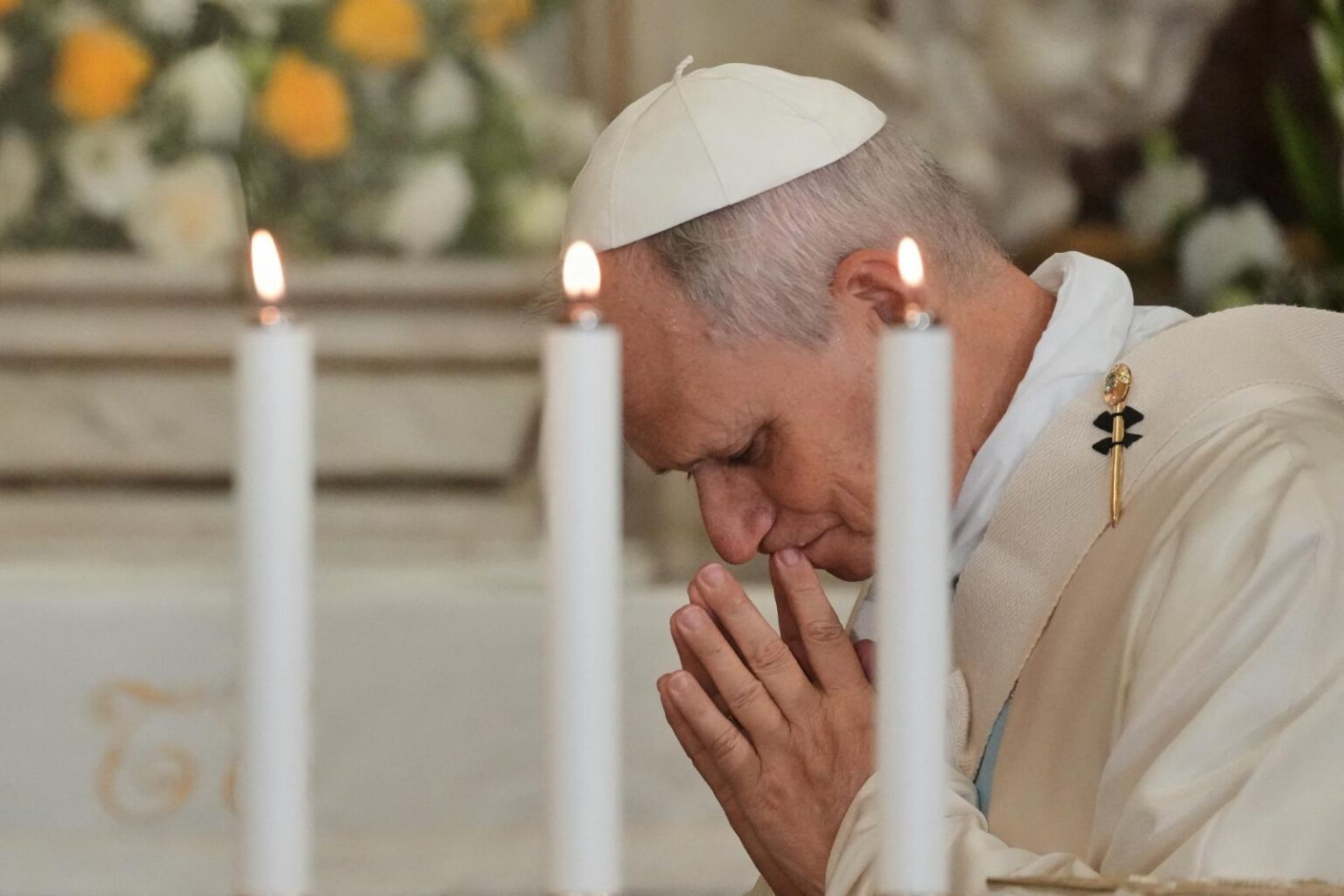
Pope Leo, who is staying at the papal residence in Castel Gandolfo Aug. 12-18, celebrated Mass at the parish of St. Thomas of Villanova. The 17th-century church, named after the Spanish Augustinian friar, was designed by the famed Italian artist Gian Lorenzo Bernini and is the only pontifical parish located outside the Vatican.
The parish’s celebration of the Marian feast day was a tradition started by St. John XXIII and continued by St. John Paul II and Pope Benedict XVI. Although Pope Francis broke with custom by staying in Rome during the summer, Pope Leo XIV revived the practice.
‘Purity of the soul’ leads to Heaven
In his homily, the pope began by reflecting on the day’s first reading from the Book of Revelation. The reading’s description of “a woman clothed with the sun, with the moon under her feet,” he said, signified “that in Mary’s heart, heaven and earth, time and eternity, meet.”
To understand what one has in common “with the beautiful young woman depicted on the altarpieces of our churches,” the pope said Christians must “unite the two signs we have mentioned: the incorrupt body of the Mother of God and her immaculate heart.”
“For it is the purity of the soul that, in Mary — as in us — by the grace of God, illuminates and transfigures the whole person, leading us to the glory of Heaven,” he said.
Reflecting on modern beauty standards, Pope Leo said they “risk trapping us in burdensome expectations, causing us to waste precious energy on what does not really matter and does not last forever.”
“In everyday life, we encounter people whose faces are marked by the years and by suffering, yet who are capable of radiating serenity, kindness and peace around them; just as we may observe others who are perhaps outwardly attractive but hard and cold at heart,” he said. “It is easy to see where true beauty lies and where, on the other hand, there is still a need for conversion, forgiveness and healing.”
‘Love is humanity’s most beautiful adornment’
In order “to discover and nurture” divine beauty, the pope continued, Christians must learn to see it in “the wrinkles of an elderly person as in the tender face of a child as well, in the maturity of an adult as in the liveliness of a young person as well, in work clothes and tools as well as in festive decorations.”
Each of those realities, he added, contains unique stories of love that offer “small glimpses of heaven.”
“Love is humanity’s most beautiful adornment,” the pope said. “Love transfigures, transforms, ennobles and lifts us up, making us light, free and close to God, even amid life’s ups and downs.”
Turning to the Gospel reading from St. Luke, in which Mary visits her cousin Elizabeth and “proclaims the greatness of the Lord,” Pope Leo said Christians need not look far to understand Mary’s humble exclamation of “the magnificent mysteries she experienced.”
Those mysteries, he explained, are visible wherever true charity exists. The pope noted the examples of weary parents to their children “after a long day,” grandparents caring for grandchildren, morally courageous young people, and ordinary workers who “help bring a little bit of heaven to Earth.”
“The beautiful face of Our Lady of the Assumption is unique; it transcends any possible representation, and yet, at the same time, is familiar to us,” Pope Leo said. “Even at this very moment, we can see her face in the people who are close to us, such as the brothers and sisters with whom, in faith, we share the daily offering of our lives.”
Junno Arocho Esteves is an international correspondent for OSV News. Follow him on X @jae_journalist.