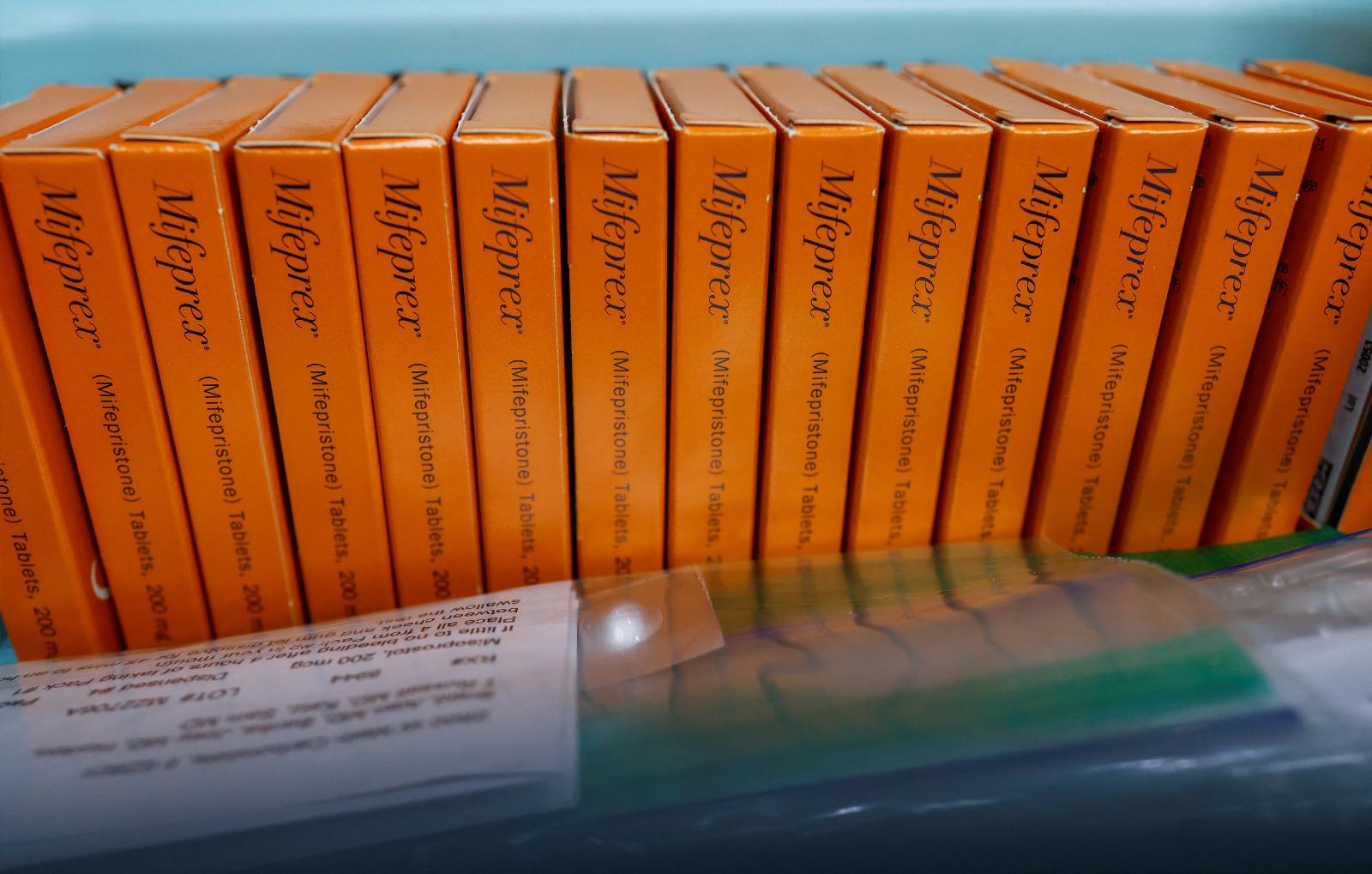
WASHINGTON (OSV News) — The Food and Drug Administration’s safety review of mifepristone is expected to stretch into next year, according to an Oct. 7 court filing, prompting disappointment from pro-life groups.
In a court-ordered status update on the review, the FDA said in a filing in the U.S. District Court for the Western District of Louisiana that it is “on track to obtain study results by mid-December 2026,” which it then plans to review and draft a report of its findings.
“FDA expects to complete that process not later than March 2027,” the document said.
The filing comes as part of a lawsuit from Louisiana that seeks to end the FDA policy implemented during the Biden administration permitting mifepristone to be distributed by mail. The state has argued the policy undermines its own state laws restricting abortion, among other objections. Missouri and Florida have filed similar challenges.
But the Trump administration asked multiple judges to pause the lawsuits seeking to roll back Biden administration-era eased restrictions on mifepristone, a drug commonly used for first trimester abortion, but which is also used in some miscarriage care protocols. The Trump administration has thus far left that regulation in effect while seeking to block challenges to it pending the FDA safety review, prompting criticism from pro-life advocates.
FDA mifepristone safety review update ‘alarming’
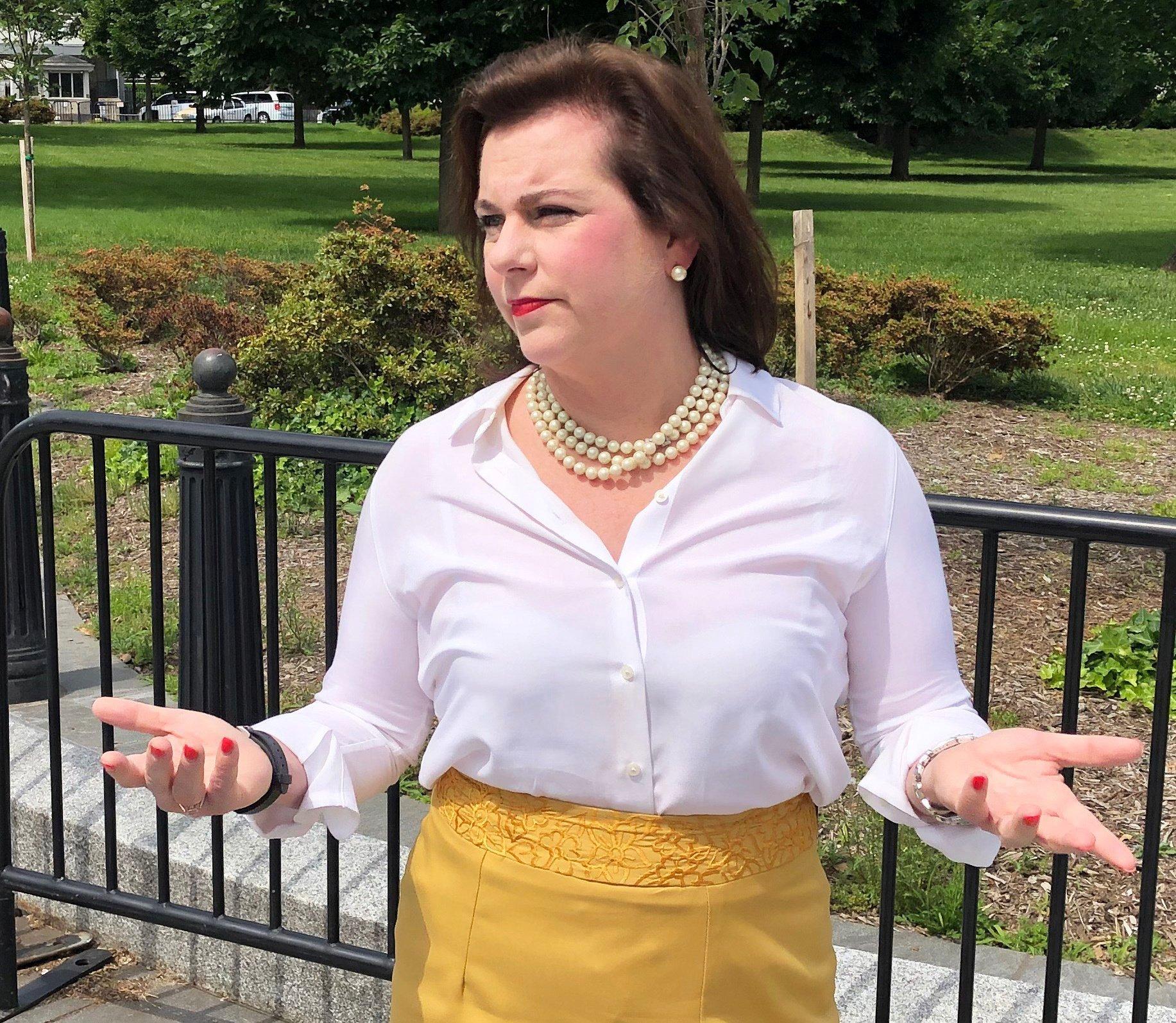
Marjorie Dannenfelser, president of Susan B. Anthony Pro-Life America, said in an Oct. 7 statement, “The FDA’s court-ordered update on its abortion-drug study is alarming.”
“Twenty months after first promising this review, administration officials continue to describe it as, in Secretary (Robert) Kennedy’s words, ‘grounded in gold-standard science.’ FDA nominee Dr. Heidi Overton echoed that claim last week, testifying that the study is being conducted in ‘the most durable, scientific way possible,'” Dannenfelser said. “But instead of the promised gold-standard study, the FDA is trying to peddle fool’s gold.”
Kristan Hawkins, president of Students for Life, said in an Oct. 7 statement that the status report “is incomplete and insufficient.”
“It shouldn’t take a judge to pry some answers from the FDA on the dangers of chemical abortion pills, nor should it take this long to get them,” Hawkins said. “While we are glad to see the FDA giving attention to deadly drugs, this is not enough to address the harms that recklessly approving mifepristone in 2000 did to public health and fertility.”
Dannenfelser argued the Trump administration “must correct course — and, more importantly, it must not wait for the study to conclude before acting.”
“Peer-reviewed evidence shows that the Biden administration relied on insufficient evidence and flawed assumptions when it removed the in-person dispensing requirement,” she said, adding that the Trump administration “must restore the vital safeguard of in-person dispensing immediately by settling the federal government’s litigation against Louisiana.”
90,000 additional abortions expected
“Even under the FDA’s current timeline, the study will not be completed for at least another six months,” she said. “Without action, that means 90,000 additional abortions in states whose strong protections for unborn children are being circumvented by the mail-order abortion-drug policy. It also means more women left vulnerable to coercion and abuse because basic medical oversight is absent, denying women the healthcare they deserve and instead empowering abusers. Action is long overdue.”
Proponents of mifepristone — the first of two drugs used in a chemical or medication-based abortion — argue it is statistically safe for a woman to take at the early stages of pregnancy, and attempts to restrict it are an attempt to ban abortion outright. Opponents of the drug’s use for abortion argue there are significant risks to those who take it, particularly outside of medical settings, in addition to ending the life of an unborn child early in its development.
Mini Timmaraju, president and CEO of Reproductive Freedom for All, formerly NARAL Pro-Choice America, argued in an Oct. 7 statement that mifepristone “is a safe and effective medication backed by decades of science” and the FDA’s review “is an unnecessary political stunt.”
“The administration is delaying this report because attacks on medication abortion will backfire with voters, but extremists will try to ban abortion as soon as the election is over,” she said.
US bishops call for prayer and advocacy
But Hawkins argued, mifepristone “was designed to kill.”
“Any review that does not acknowledge how this pill is being used today to empower abusers and enrich the new abortion cartel is completely inadequate,” Hawkins said.
The U.S. Conference of Catholic Bishops has also criticized the FDA for the eased restrictions on mifepristone. Bishop Daniel E. Thomas of Toledo, Ohio, chair of its Committee on Pro-Life Activities, said in a Sept. 29 message for Respect Life Month (October) the agency “enabled a nationwide mail-order abortion industry by allowing the abortion pill to be prescribed in telehealth appointments.”
The Catholic Church teaches that all human life is sacred from conception to natural death, and therefore opposes direct abortion.
The USCCB launched a campaign Aug. 18 calling Catholics to pray for an end to the rising abortion rate and advocate against the increased availability of mifepristone for abortion. In his message, Bishop Thomas thanked the “many thousands of Catholics across the country” who have joined the campaign and urged continued “prayers and advocacy throughout the month of October.”
Kate Scanlon is a national reporter for OSV News covering Washington. Follow her on X @kgscanlon.