
(OSV News) — As space-based technologies and exploration expand, the Vatican’s top diplomat at the United Nations is warning against the militarization of outer space — and the lack of a sufficiently strong legal framework to counter such a threat.
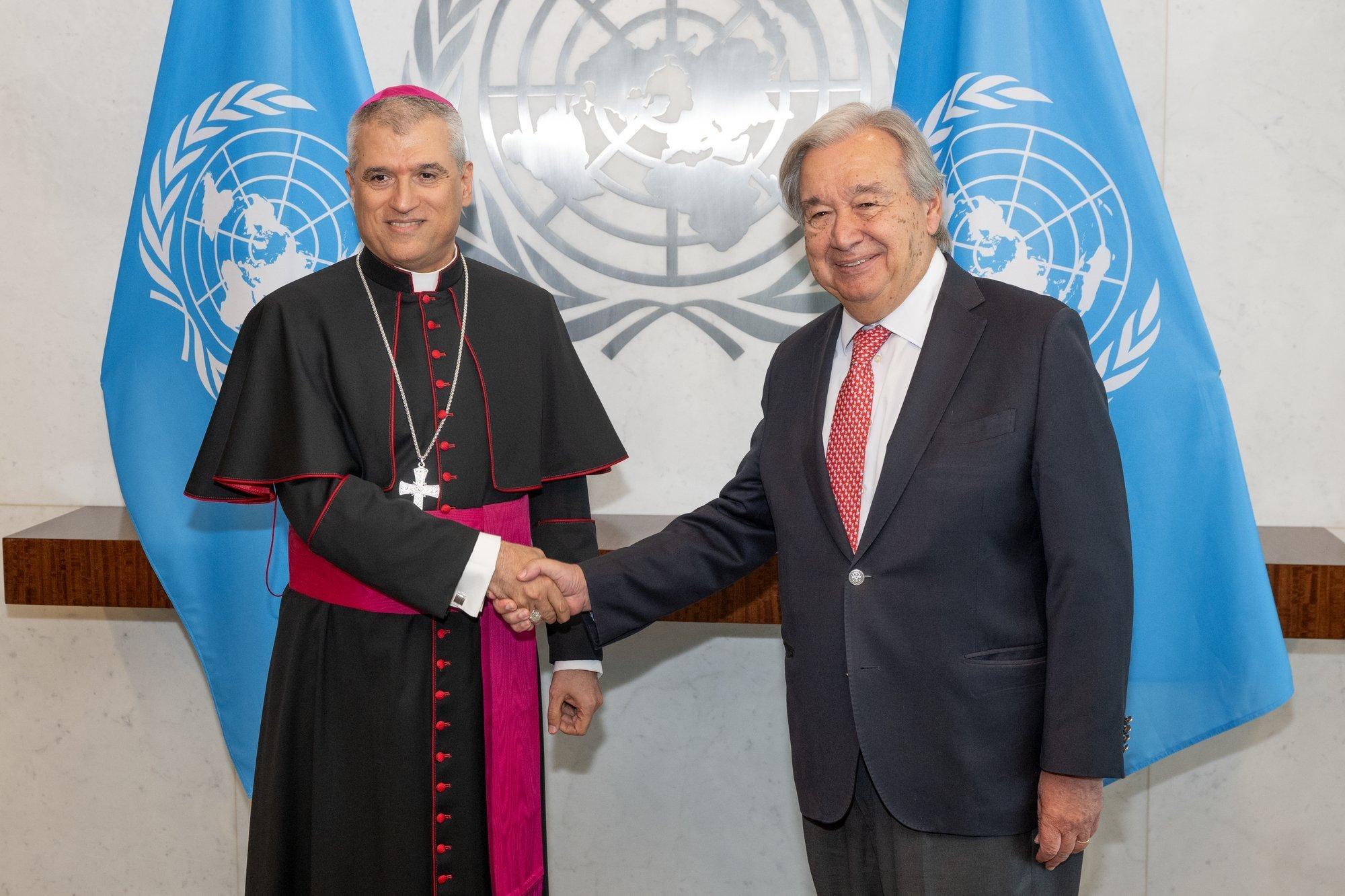
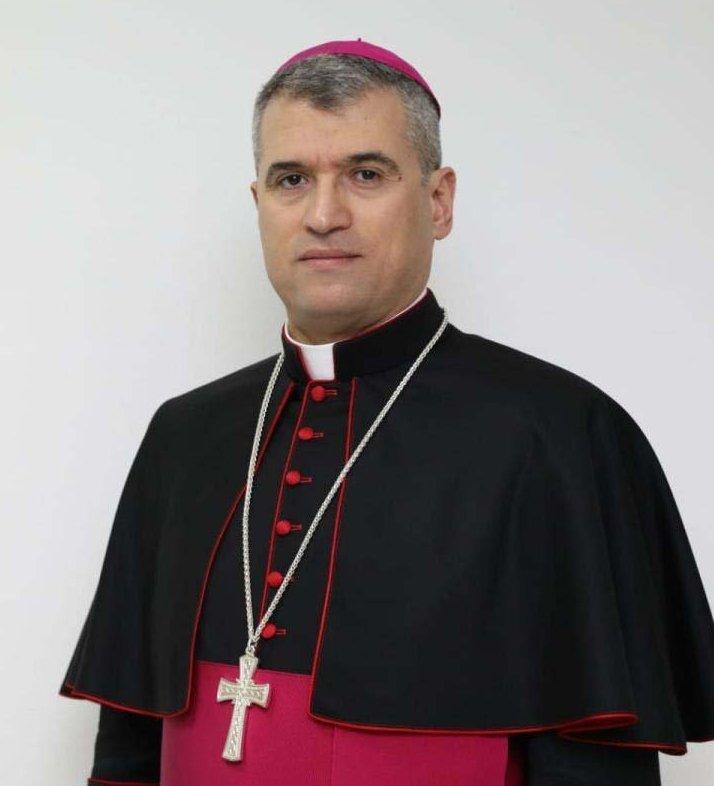
“At a time when conflicts and mistrust are already putting severe strain on the international order, humanity cannot afford to extend an arms race beyond the Earth,” said Archbishop Christophe Z. el-Kassis, the Holy See’s permanent observer to the U.N. in New York.
The archbishop shared his thoughts in an Oct. 21 statement delivered at a scheduled discussion on outer space held by the U.N.’s First Committee during the 81st session of the multilateral body’s General Assembly.
The annual gathering of the U.N. member states takes place from September to December at U.N. headquarters in New York. The First Committee — which works closely with the U.N. Disarmament Commission and the Geneva-based U.N. Conference on Disarmament — focuses on global disarmament, international security and threats to international peace.
A ‘growing reliance on outer space’
Archbishop el-Kassis noted that humanity’s rapidly expanding activities in space — particularly in the realms of communications, navigation and scientific research — confirm a “growing reliance on outer space” in modern life.
According to the nonprofit Space Foundation, the global space economy exceeded $685 billion in 2025, mostly due to commercial investment and activities.
As a result, said Archbishop el-Kassis, preserving space for peaceful aims that serve the common good “is a collective responsibility.”
He stressed that the militarization of space “poses serious risks.”
The struggle for dominance beyond the earth stands to “increase the risk of escalation, weaponization and an arms race,” he said.
He pointed to “the competition for strategic advantage and the development of counter-space capabilities,” which “increase the risk of escalation, weaponisation and an arms race.”
Specifically, the archbishop said he and his delegation were “deeply concerned” about a lack of formal international consensus “on banning all types of weapons related to outer space.”
1967 Outer Space Treaty
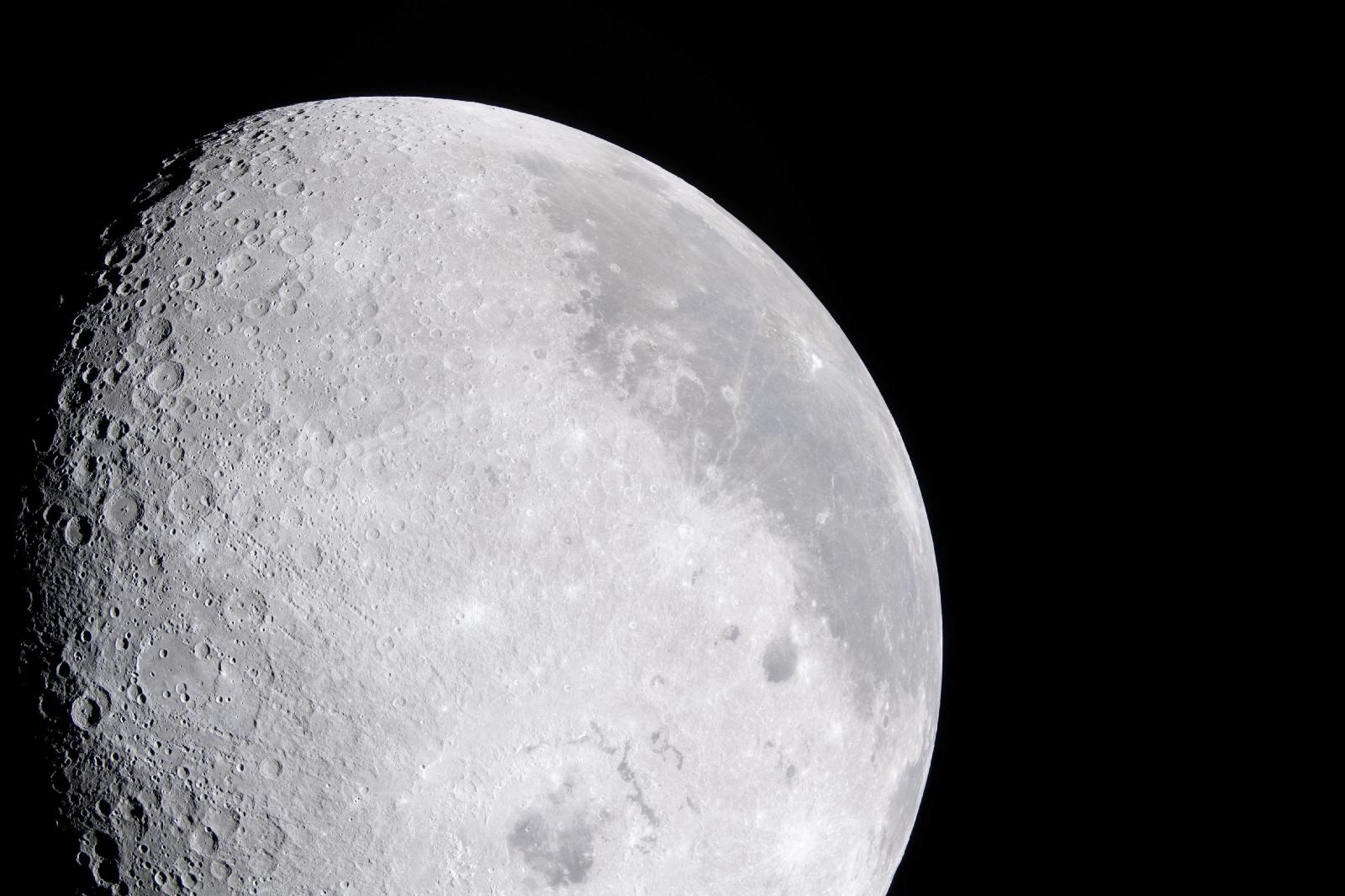
The 1967 Outer Space Treaty prevents nations from installing nuclear and other weapons of mass destruction in space and on objects therein, including the moon. Also banned are claims of sovereignty over space and its entities.
But, said Archbishop el-Kassis, the “existing legal framework” does not “comprehensively prohibit other types of weapons in outer space.”
As a result, he said, there is a legal “gap” regarding “new capabilities” under development “that could disrupt, disable or destroy satellites and other space systems.”
In September, U.S. Air Force Secretary Troy Meink publicly admitted that the nation’s Space Force has “on-orbit space control weapons” deployed in space.
Chris O’Meara, a Carnegie Endowment for International Peace fellow, wrote in an Oct. 1 analysis that anti-satellite, or ASAT, weapons — long pursued by the U.S., China, Russia and other powers — could have “disastrous” implications.
“Such developments could have consequences that extend far beyond the space domain,” Archbishop el-Kassis said in his statement.
Among those outcomes, said the archbishop, are “the prospect of warfare extending into outer space,” which “also raises serious questions regarding self-defence and the application of international humanitarian law,” the legal protocol that governs international and some forms of noninternational armed conflict.
Exploration must uphold common good
The archbishop affirmed that the Outer Space Treaty’s “foundational principles remain as essential as ever” and that outer space exploration and use must uphold the common good.
Yet ensuring those principles demands “renewed efforts to prevent an arms race in outer space,” he said.
On behalf of the Holy See, he urged “effective, legally binding measures in this regard,” along with “transparency and confidence-building measures to reduce mistrust and the risk of miscalculation.”
“Outer space must remain a domain of peaceful cooperation and shared responsibility, preserved for the benefit of all humanity and for present and future generations,” said the archbishop.
Gina Christian is a multimedia reporter for OSV News. Follow her on X @GinaJesseReina.