(OSV News) — Caritas Nepal’s leader is urging global action on climate justice after catastrophic flooding in Nepal claimed more than 1,100 lives and left thousands missing.
Sister Cecilia Durga Shrestha, of the Congregation of the Sisters of St. Joseph of Cluny, stressed that for people who have contributed “very little” to the climate crisis in the world to suffer “disproportionately” from its consequences is “profound injustice.”
The first woman to head Caritas Nepal, she has been leading the organization since 2023 and spoke to OSV News just as the Vatican’s International Theological Commission called for ecological conversion due to “sin against creation and the Creator.”
Sister Cecilia urged “shared responsibility” and said the time has come for “concrete action” to prevent such tragedies from happening.
The Vatican’s commission explained that by failing to care for “our Common Home” with sufficient wisdom and long-term vision, “we not only fail to respect God’s plan and mistreat creation, but we also harm our neighbors, especially the poorest and future generations.”
Devastating floods along Nepal’s border with China
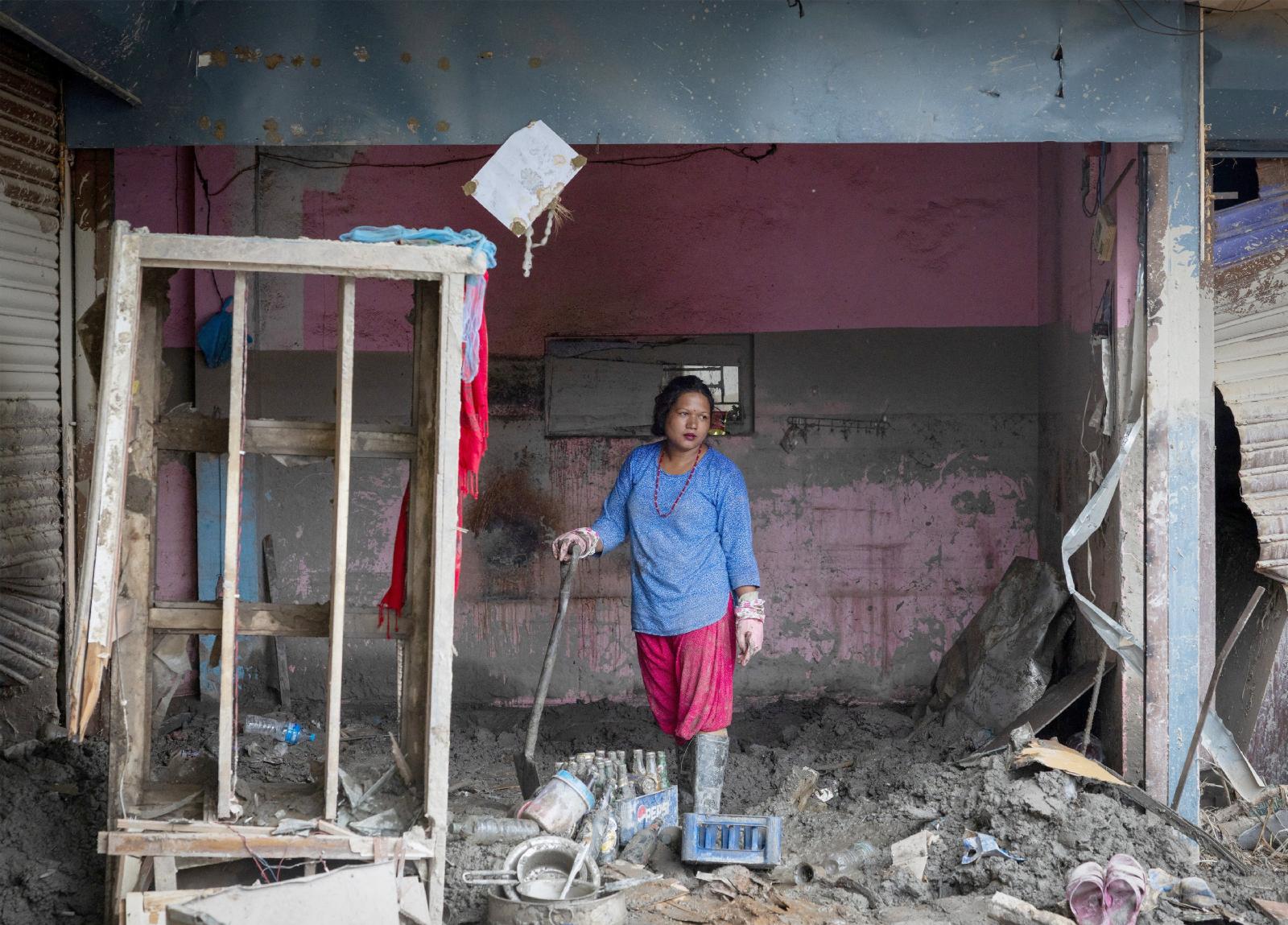
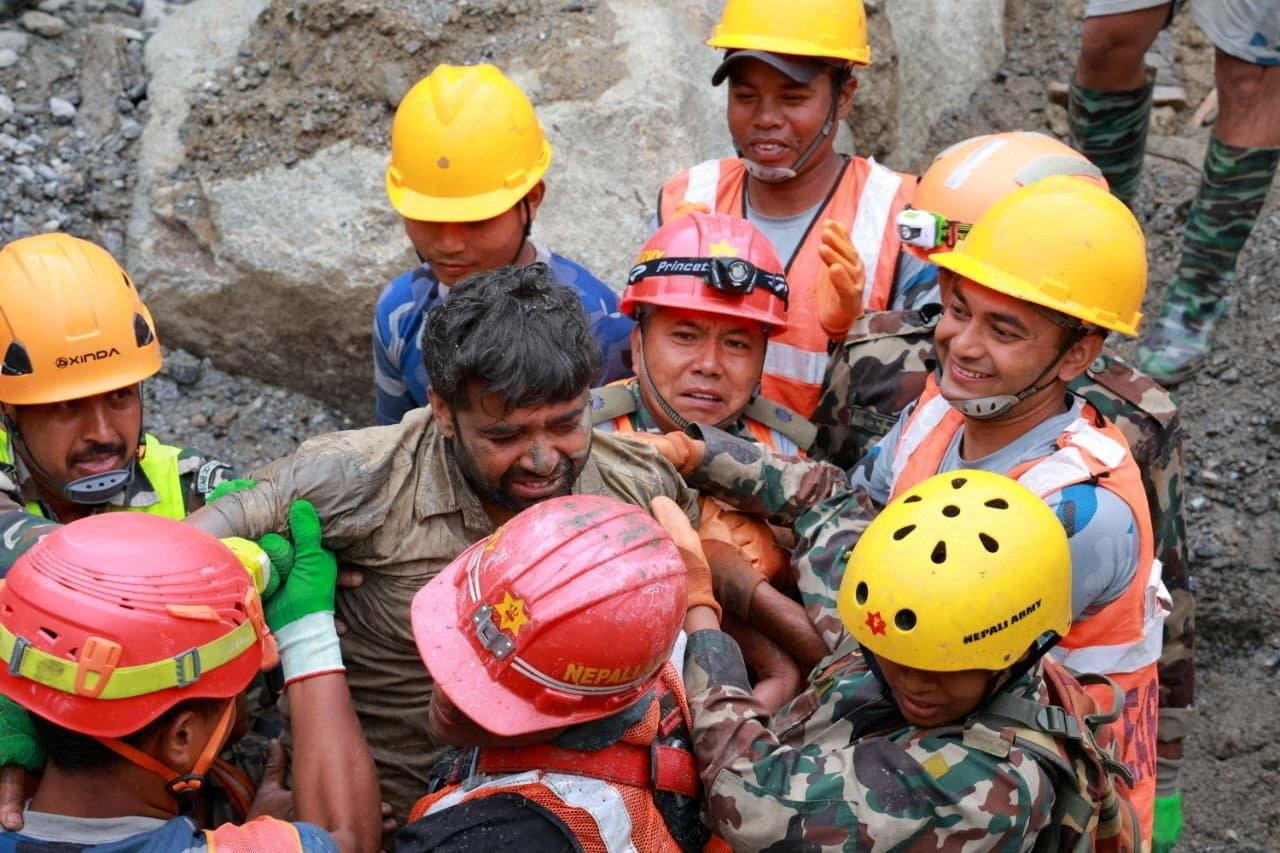
On Aug. 26, the mountain nation of Nepal faced a devastating flash flood along its border with China. According to the National Disaster Risk Management Authority of the South Asian country, around 4,500 people are still missing, and approximately 12,000 have been rescued.
Sister Cecilia told OSV News Sept. 3 that “many of those rescued are currently receiving medical treatment in hospitals and are recovering from their injuries and trauma.”
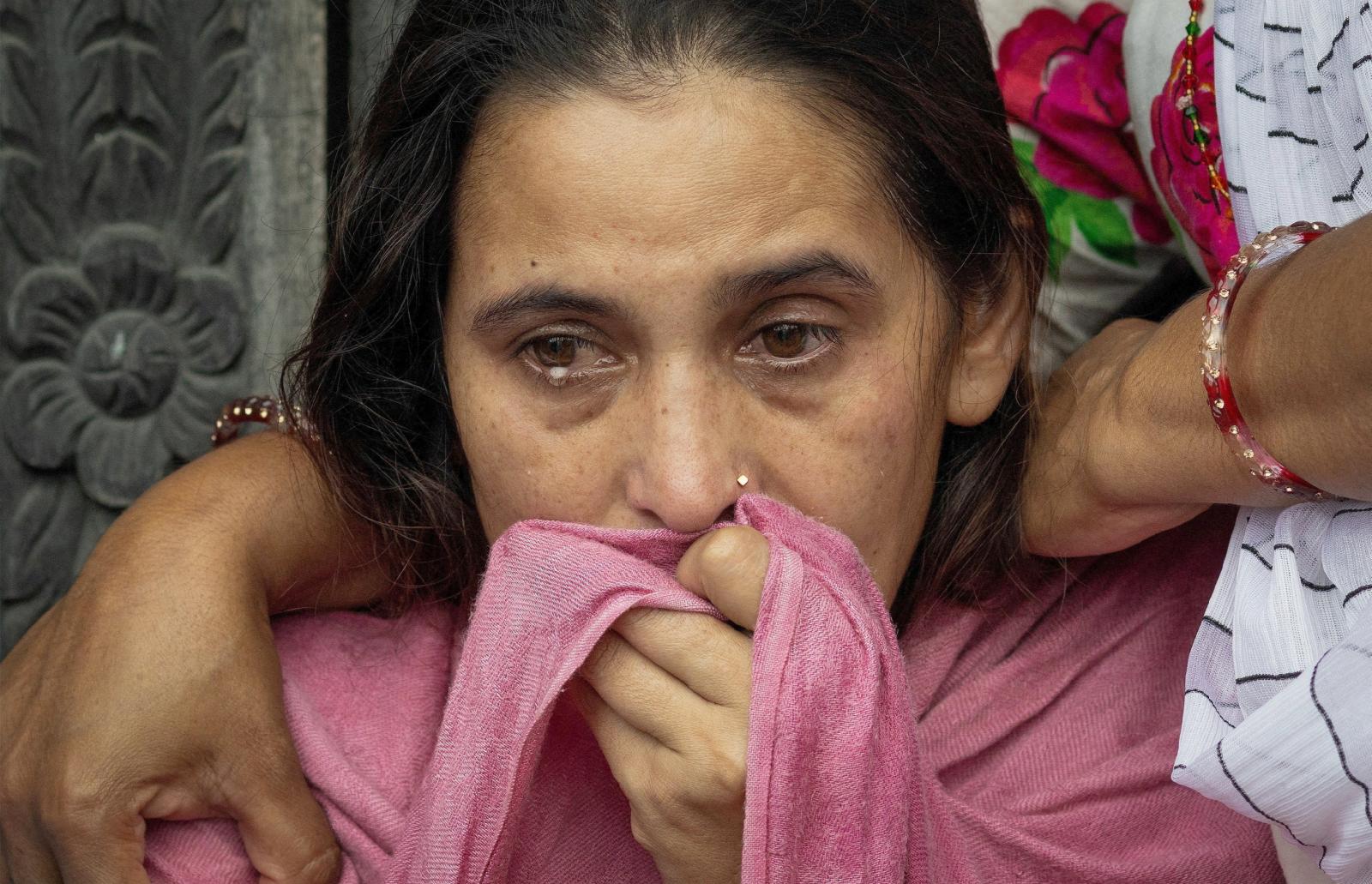
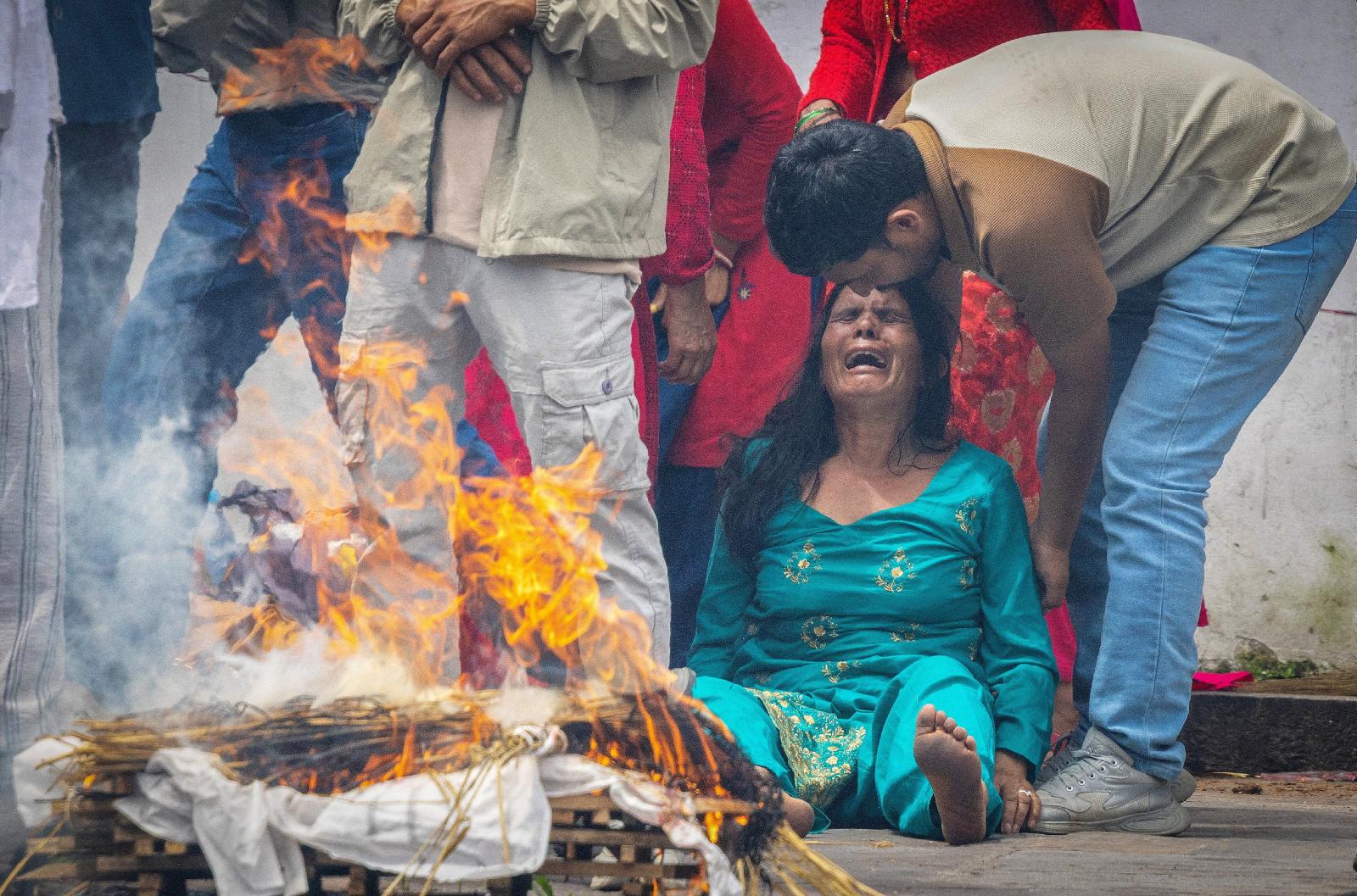
“Beyond these figures, thousands of families have lost their homes, livelihoods, land, property, and, most painfully, their loved ones,” she said. “The full extent of the impact is still being assessed.”
She said the immediate priority is to “ensure the safety and protection of displaced families, including identifying and allocating safe land for temporary shelter and, where necessary, permanent resettlement,” for which the government of Nepal is responsible.
Government ‘needs to support’ affected communities
“At the same time, the government needs to support affected communities to restore their livelihoods and begin planning for early recovery, rehabilitation and reconstruction,” she said.
But the official bodies also “cannot do this alone.”
“With coordinated support from national and international organizations, civil society organizations, development partners and generous international solidarity, I believe Nepal can move towards recovery and rebuild the affected communities with greater resilience,” Sister Cecilia emphasized.
Caritas Nepal, she said, works “hand in hand with the government, complementing its efforts through financial and technical support, humanitarian expertise, coordination and community mobilization.”
“Caritas Nepal can also help ensure that assistance reaches the most vulnerable and affected communities, while supporting early recovery and longer-term rehabilitation in close coordination with government authorities at both national and local levels,” Sister Cecilia said.
The tragedy was a grim confirmation of warnings given earlier this year regarding the effects of climate change on nearby glaciers — the seismic event was caused by a 5.2 magnitude glacial collapse.
Glaciers melting at an accelerating rate
In March, researchers from the International Center for Integrated Mountain Development, or ICIMOD, released a report revealing that glaciers across the Himalayas were melting at an accelerating rate and warned that concrete action was needed to avoid further disasters to communities in the area.
“I believe this is an important question of climate justice and shared responsibility,” Sister Cecilia emphasized.
“Look at Nepal today. High in the Himalayas, our communities are experiencing the devastating consequences of a changing climate. The disaster has swept away homes, land, livelihoods, property and, most painfully, the lives of thousands of people. The question we must ask is: Who is responsible for the suffering of these innocent and vulnerable people? Certainly, it is not the people of Nepal,” she emphasized.
Caritas Nepal head stressed that the country contributes less than 0.1% of global greenhouse gas emissions, “yet our people are among those experiencing severe impacts of climate change. This is a profound injustice.”
“As a development worker and as a Catholic religious sister, I believe we must move beyond discussions and declarations and take concrete action for climate justice,” she said, “particularly for communities and countries that have contributed very little to the climate crisis but are suffering disproportionately from its consequences.”
Time for ‘climate justice and concrete action’
Asked whether developed countries should compensate Nepal for this loss, she replied: “I am not sure that the word ‘compensation’ fully captures what is needed. What I strongly believe is that this is the time for climate justice and concrete action.”
Developed countries, she stressed, “should not only participate in conferences and international conventions; they must translate their commitments into immediate and meaningful action. This should include stronger climate action, adequate climate finance, support for adaptation and resilience, and assistance to vulnerable countries facing climate-related disasters.”
Sister Cecilia said that Nepal needs “international solidarity not only for the immediate humanitarian response, but also for recovery, reconstruction, adaptation and building climate-resilient communities.”
“The people of Nepal should not have to pay with their lives for a crisis to which they have contributed so little. This is a moment for the international community to act with greater responsibility, solidarity, and justice,” she said.
‘Painful reminder” climate change is reality
This disaster, Sister Cecilia said, is a “painful reminder that climate change is not a distant threat — it is a reality affecting people’s lives today. Climate justice is not charity; it is a matter of justice and a right of vulnerable communities.”
“Justice delayed is justice denied,” she stressed, “and we cannot afford to wait while vulnerable people continue to pay the highest price for a crisis they did little to create.”
Caritas Nepal, she said, is currently providing food and non-food assistance, water, sanitation, and hygiene support, and other essential humanitarian needs.
“At the same time, we are looking beyond the immediate emergency towards early recovery, rehabilitation and long-term reconstruction, with a strong focus on ‘building back better.’ Caritas Nepal has significant experience in this area, including its contribution to the recovery and reconstruction efforts following the 2015 earthquake,” Sister Cecilia told OSV News.
Caritas Nepal ‘deeply grateful to our partners’
The sister emphasized that Caritas Nepal is “deeply grateful to our partners, donor organizations, and the Catholic Church for standing with Nepal at this very difficult time. We sincerely appreciate their solidarity, generous contributions and continued commitment to the people of Nepal.”
She appealed for the partners of the Church’s biggest charity organization “to remain engaged beyond the immediate response and support early recovery, rehabilitation, reconstruction and resilient rebuilding.”
The goal, she said, “should not simply be to rebuild what has been lost, but to build back better, safer and more resilient communities.”
“Nepal needs solidarity — not only for emergency relief, but also for recovery, resilience, and a safer and more sustainable future.”
Stephan Rozario writes for OSV News from Dhaka, Bangladesh.