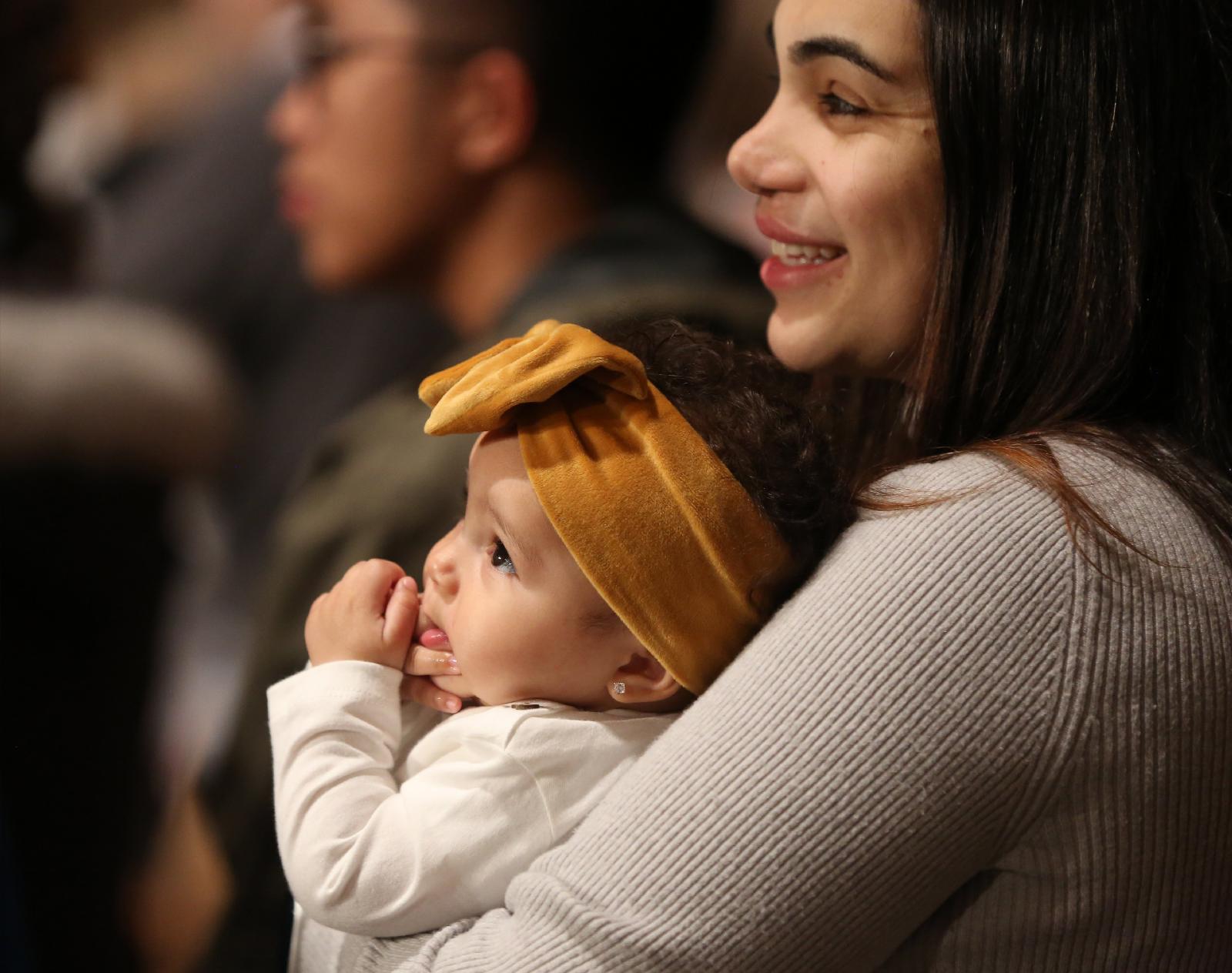
(OSV News) — Nicole Kristensen still remembers facing difficult births and struggling postpartum as a mom. Today, she draws from her experience to help other women before, during and after giving birth.
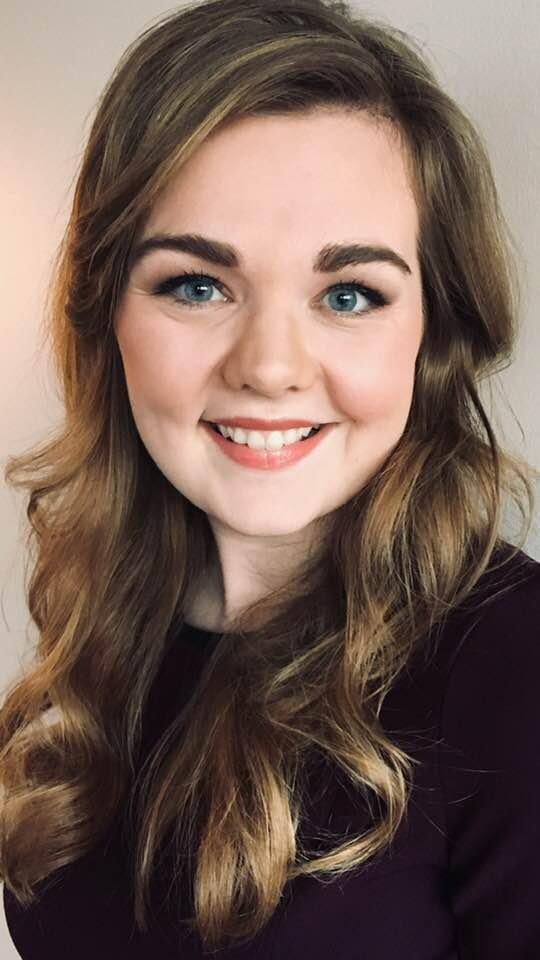
“Even though I struggled, having a community was the biggest thing, and that is a huge part of what I’m trying to achieve these days as a doula,” said the Catholic doula and coach, who serves communities in New York and Connecticut.
Kristensen, owner of Holystic Maternity Care, and other postpartum experts and Catholic leaders spoke with OSV News about the Church’s role in postpartum support and walking with new mothers who are struggling.
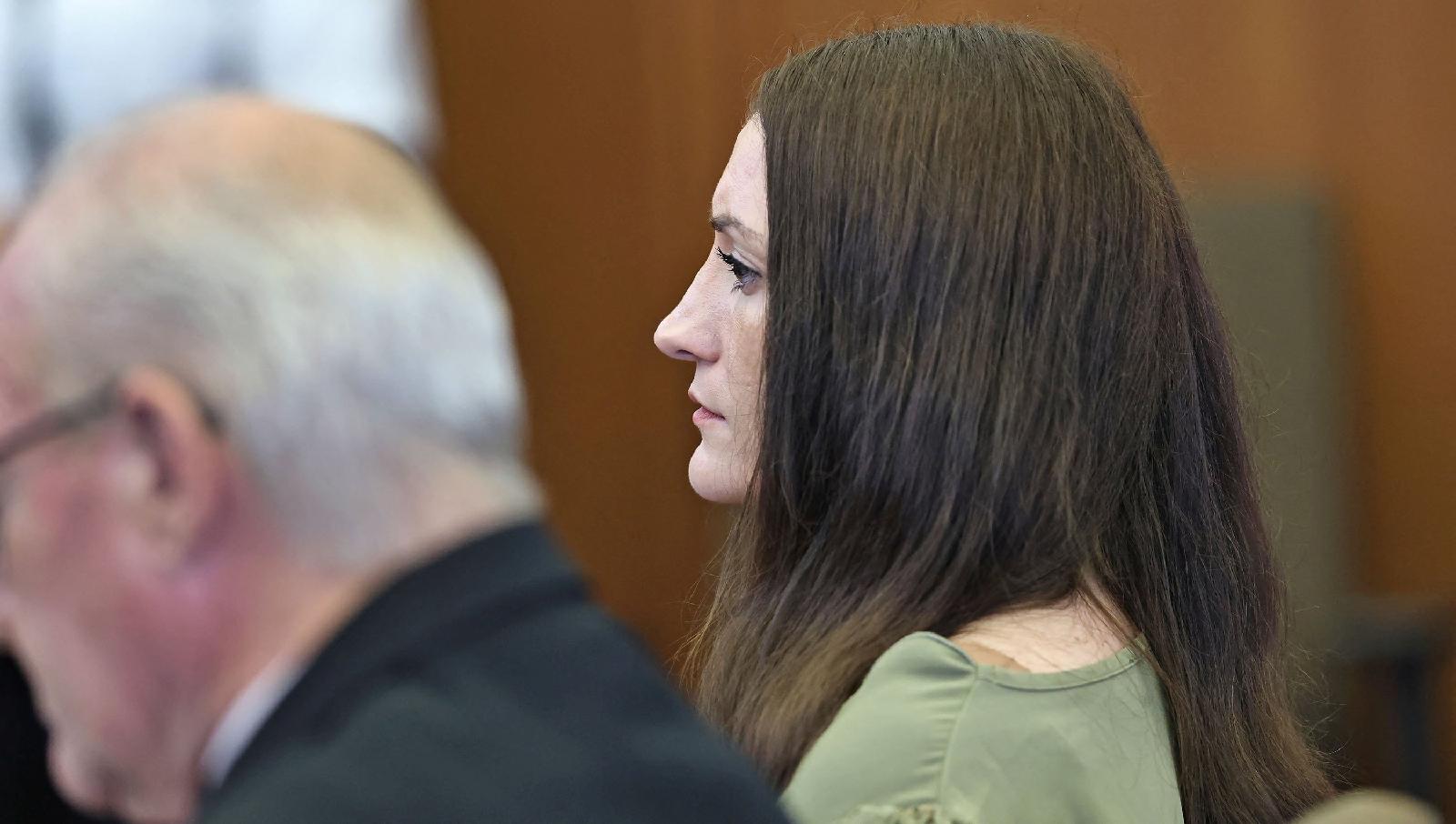
Their comments come at a time when mothers are speaking out about the difficulty of the postpartum experience amid the high-profile Massachusetts trial of Lindsay Clancy, which ended in a mistrial Sept. 4. The case brought greater awareness to postpartum psychosis, a serious maternal mental health disorder.
Postpartum support a pro-life issue
These experts agreed that the Church and Catholics have a responsibility to be involved in postpartum support as a pro-life issue. The Church is already present there, they said, but Catholics can do more. Many of them emphasized the importance of parish involvement.
While these experts came from different backgrounds and ministries, they wanted new moms who are struggling to know they are not alone.
“The Church belongs in the area of postpartum support because Jesus commands us to care for the most vulnerable, and postpartum women and their babies fit that description,” said Kat Talalas, assistant director for pro-life communications at the U.S. Conference of Catholic Bishops’ Secretariat of Pro-Life Activities.
The landscape of postpartum care
Today, several national resources exist for women who are struggling postpartum. Women with maternal mental health concerns can contact the 988 Suicide & Crisis Lifeline or the National Maternal Mental Health Hotline. Other nonprofits that advocate for mothers postpartum include Postpartum Support International and the Policy Center for Maternal Health.
Maternal mental health disorders, also known as perinatal mental health disorders, are common and affect up to 1 in 5 families in the United States each year, according to the policy center. The center calls anxiety and depression the most common childbirth complications. At the same time, these kinds of disorders are not universally screened for or sufficiently treated.
Symptoms of postpartum depression include sadness, difficulty concentrating, difficulty enjoying favorite activities and difficulty in baby bonding, according to the center. Symptoms of maternal anxiety include extreme fear, worry and nervousness.
A pro-life issue
Experts agreed the Church should accompany new mothers, especially those who are struggling.
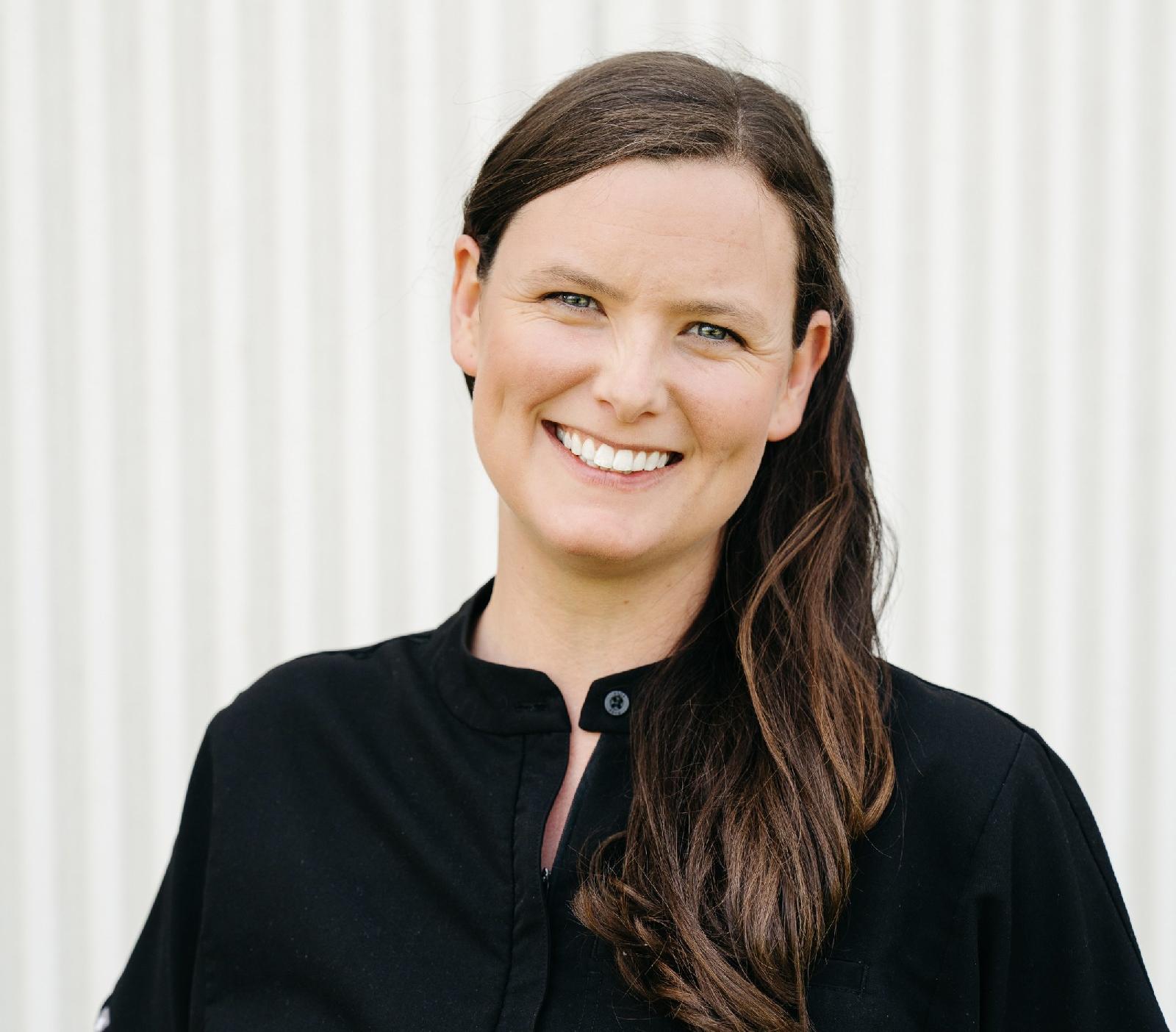
“During the months following childbirth all women take months, sometimes even years, to fully heal,” said Caroline Hartley, a family nurse practitioner and founder of Fiat Integrative Health, a practice that provides medical care and mental health services in Franklin, Tennessee. “Hormones collapse, sleep is disrupted and isolation is common. About 1 in 7 women experience postpartum depression, and nearly half are never diagnosed.”
The mother of seven added: “If Catholics disappear at that point, our pro-life witness is incomplete.”
Many of these experts and leaders identified postpartum support as a pro-life issue.
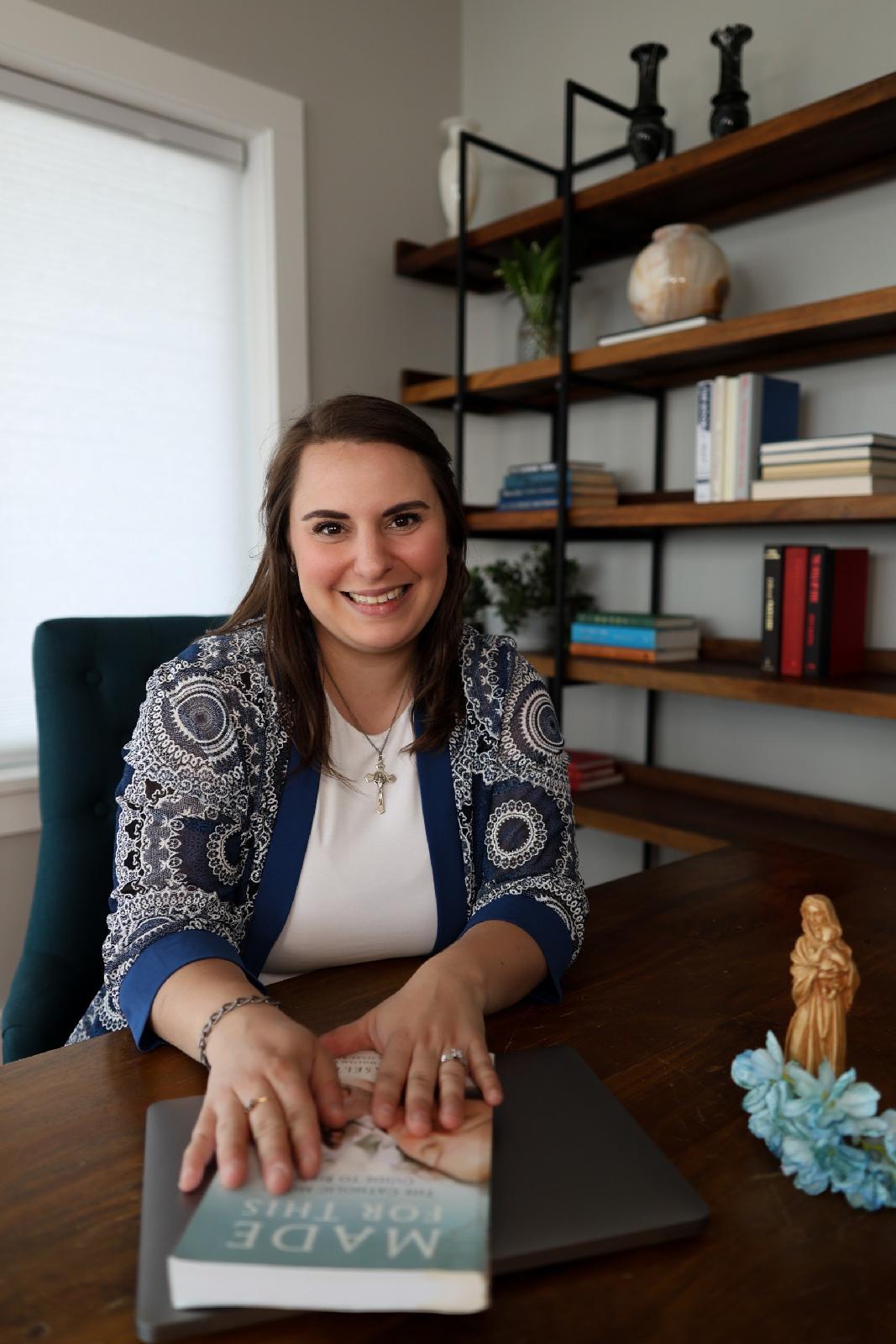
“It is absolutely imperative and I would say obligatory that the body of Christ be present to support postpartum mothers and families,” said Mary Haseltine, a Catholic doula and mother of seven.
Haseltine is also the founder of Made for This, which provides pregnancy, birth and postpartum resources, and the author of “Made for This: The Catholic Mom’s Guide to Birth.”
“Not only is this part of the general Gospel mandate to take care of those in need,” she said, “but if we as a Church are going to ask families to promise to be open to life as we do in our wedding vows and purport to be a people that value the dignity and beauty of every life and build a culture of life, it is essential.”
A work in progress
These experts recognized the Church’s involvement in postpartum support. They pointed to Catholic hospitals, pregnancy centers and doulas. They also named ministries such as Elizabeth Ministry International, a Catholic apostolate that supports women and families through the joys and challenges of the childbearing years, and Walking with Moms in Need, a parish-based initiative by the U.S. bishops that serves vulnerable pregnant and parenting women.
“While Walking with Moms is mostly geared towards low-income women, the resources in the inventory and the support offered by the parish could be offered to any mother who is struggling,” Talalas with the U.S. bishops said.
At least one-third of U.S. dioceses participate in Walking with Moms in Need and have parishes that participate, Talalas said, adding that the number is likely higher.
Parishes with Walking with Moms in Need ministries take active roles in supporting mothers postpartum. The ministry at Sts. Philip and James Parish in Exton, Pennsylvania, recently donated postpartum personal care supplies to The 4th Trimester Mommie, a maternal health nonprofit.
Prayers, peer support, mentoring
Wisconsin-based Elizabeth Ministry International currently has over 800 registered chapters. Members offer prayers, peer support, mentoring, educational materials, spiritual nourishment and inspirational resources.
Krys Crawley, executive director of Elizabeth Ministry International, said her organization hopes to have chapters established at every parish worldwide.
“Our Catholic understanding of human dignity tells us that both the mom and the child are infinitely valuable,” said Crawley, who is also the founder and executive director of Life’s Connection, a community health and education center that provides pregnancy and postpartum support.
Hartley said that Fiat and similar organizations embrace an integrated model where they care for both baby and mother. Catholic doulas such as Haseltine and Kristensen also support women before, during and after birth. Both provide free postpartum resources online.
Haseltine also offers a biblically-based plan for postpartum rest and a directory of Christian birthworkers to connect women with support. Kristensen provides an ebook to prepare for a peaceful postpartum and lists helpful postpartum supplies.
A parish-centric solution
These experts, however, said the Church can do more. Many encouraged parishes to take an active role. They recommended parishes start Walking with Moms in Need and Elizabeth Ministry chapters, or expand them if they already exist. Others suggested creating spaces where mothers can connect, build community and help one another.
Many advised creating meal trains and offering childcare for new mothers and growing families. They suggested regularly checking in on mothers and keeping a list of resources that could be useful to them.
“One of the biggest shifts the Church can make is to not treat postpartum struggle as a private problem, but proactively support moms,” Hartley said.
‘You are not failing the gift you have been given’
These experts also shared their advice for struggling mothers. They recommended mothers turn to their family, friends and parishes. Some advised praying. Many encouraged mothers to not be afraid or ashamed to reach out for help. They wanted mothers to know the Church and Catholic ministries want to accompany them.
“If you are a new mother and you are struggling, hear this: You are not a bad mother, and you are not failing the gift you have been given,” Hartley said.
“Loving your baby and feeling fog, dread, rage, emptiness or no bond can exist at the same time,” she added. “That does not mean you are ungrateful. It means your body and mind have been through something enormous, and they have not caught up.”
Hartley and others urged women who are struggling to tell their husbands, friends, priests, midwives, counselors and clinicians.
“You said yes to life and that yes still includes you and your needs,” she said. “You were never meant to carry this alone.”
Katie Yoder is an OSV News correspondent. She writes from Maryland.