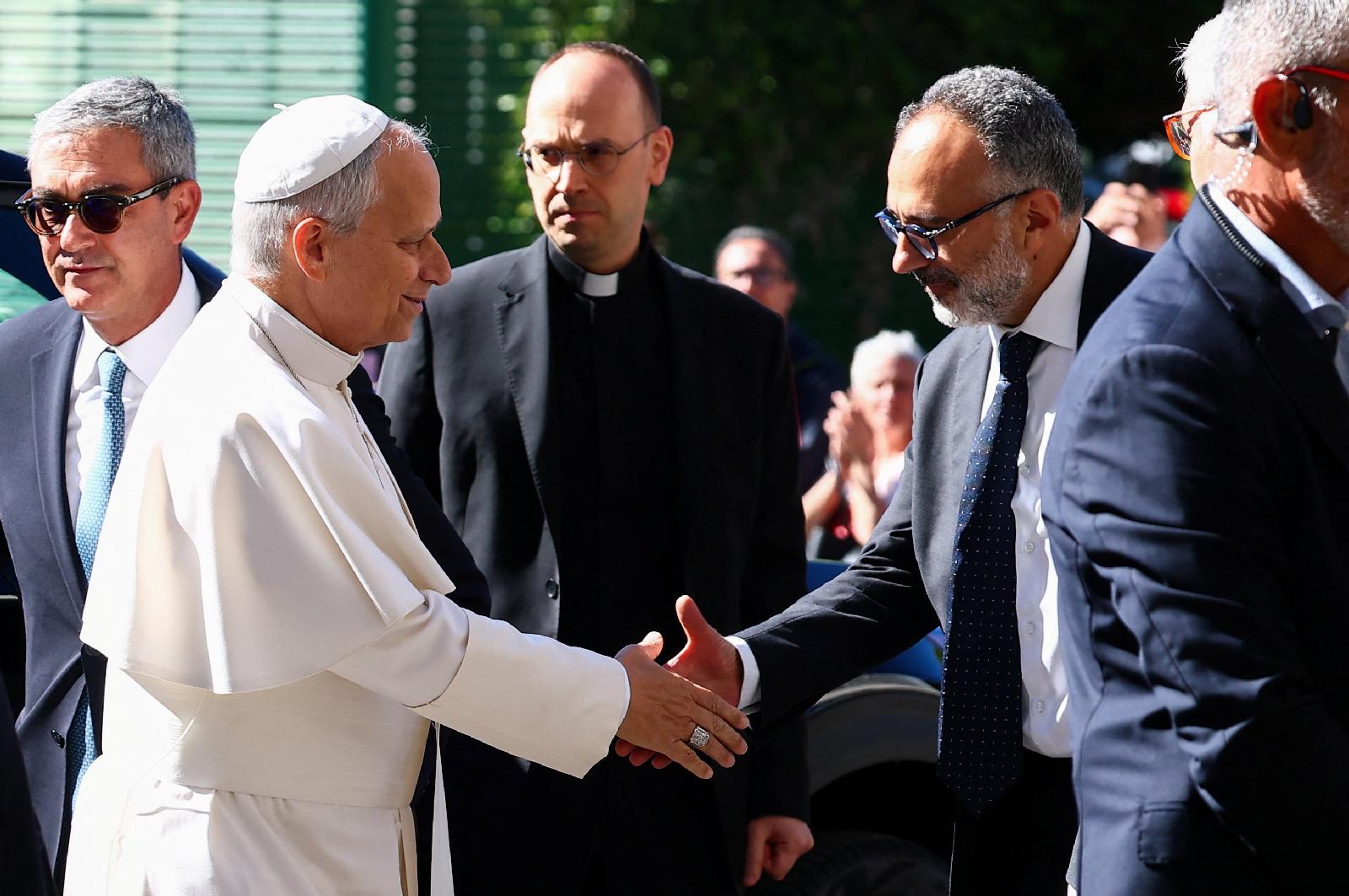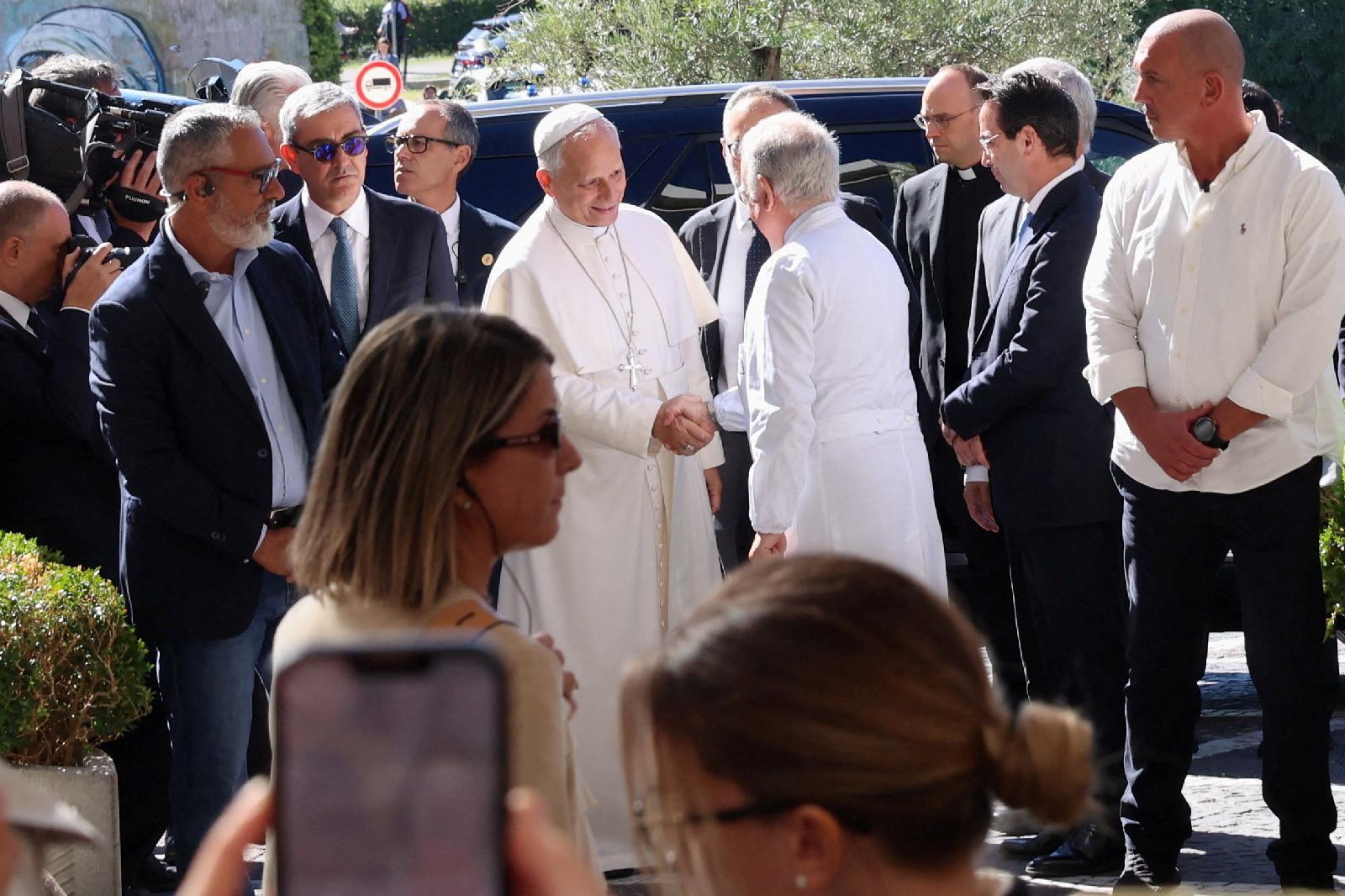
PHILADELPHIA (OSV News) — Following Pope Leo XIV‘s Oct. 13 post-surgical diagnosis of lung adenocarcinoma, OSV News spoke with several medical experts who noted the prevalence of the disease, as well as its likely treatments and outcomes.
While not part of Pope Leo’s medical team, the three experts consulted agreed that early intervention in lung cancer is key. The next steps in the pope’s care will depend on the results of postoperative biopsies and other tests, they said.
“It’s really individualized,” said Dr. Nirmal Veeramachaneni, professor of cardiothoracic surgery at Saint Louis University School of Medicine and medical director for lung cancer screening at SSM Health. “I’ve seen everything in my practice. It really depends on the individual.”
What is lung adenocarcinoma?
Adenocarcinomas are cancers that begin in the glands lining the body’s organs, according to the Cleveland Clinic.
Lung adenocarcinoma is “the most common subtype of lung cancer,” and “falls under the non-small cell category,” said Dr. Stephen Liu, associate professor of medicine, director of thoracic oncology and director of developmental therapeutics at Georgetown University’s Lombardi Comprehensive Cancer Center.
Almost 9 out of 10 lung cancers are of the non-small cell type, growing more slowly than its small cell counterpart, which typically attacks the airways and spreads rapidly, according to the National Foundation for Cancer Research.
Liu added that lung adenocarcinoma is also “the most common” type of lung cancer “in people without a strong smoking history.”
What will doctors look for after the pope’s surgery?
Liu said it’s now essential to determine “the precise size” of the lung nodule removed during Pope Leo’s operation, which also saw surgeons excise his right lower lung lobe.
That lobe removal is a “gold standard” protocol, said Veeramachaneni.
While the nodule was described by the Holy See Press Office as small, “the stage is critical,” said Liu.
Medical professionals assess cancers according to various staging systems, which help guide treatment and prognosis, the American Lung Association notes on its website.
For lung cancers, three factors — often abbreviated TNM — typically determine the stage of a given cancer: tumor size and location, regional lymph node involvement, and metastasis, the spread of a cancer to other organs.
“The most common stage of diagnosis for lung cancer is stage four,” said Liu. “From the information released so far, it seems that this is an early-stage lung cancer.”
Lymph nodes are a key indicator in determining the stage of cancer, said Dr. Louis Chai, assistant professor of thoracic surgery at Fox Chase Cancer Center in Philadelphia, part of Temple University Hospital.
“In addition to removing the lobe, oftentimes as a part of lung cancer surgery, we sample the lymph nodes in the chest, and all of that goes to the pathologist to look at,” he told OSV News.
Veeramachaneni said it is not known if the nodule in Pope Leo’s lung had “ground-glass opacity” — a hazy appearance in imaging that correlates with a much lower likelihood of spread to the lymph nodes, which he said function as “the filter of your entire immune system.”
Role of family history — and lack thereof — with cancer
Chai said that along with lymph node biopsies, “genetic testing is very important for lung cancer.”
Pope Leo’s elder brother, Louis Prevost, is undergoing treatment for multiple myeloma, a type of blood cancer, and research indicates that heredity can, in some cases, play a role in the risk of developing cancer.
However, most cancers are not hereditary, and the genetic testing for the pope’s lung cancer would look for “somatic mutations,” which are “mutations that we weren’t born with and didn’t inherit, but picked up as a result of some exposure,” Liu said.
As examples, Chai cited exposure to asbestos, a mineral fiber still used primarily in building materials, and radon, a naturally occurring radioactive gas.
And, said Chai, “these days we’re finding more and more younger patients who have never smoked, who have some genetic mutations that lead them to get diagnosed with lung cancer.”
Liu said that “we don’t know” what causes many of these mutations.
“The realization now from those in the field of oncology is that lung cancer can happen to anyone,” he said. “Anyone with lungs can get lung cancer.”
What might Pope Leo’s recovery and treatment look like?
Veeramachaneni stressed that doctors “check for mutations in patients who may benefit from chemotherapy, because certain mutations change the drug that we offer.”
That approach “just tends to work better,” he said.
Doctors “commonly look for ALK and EGFR mutations,” he said, respectively referencing the anaplastic lymphoma kinase and epidermal growth factor receptor genes, which help regulate cell growth.
But as to the specific treatment the pope or any other lung cancer patient might have, “it really depends on what they find,” said Chai.
Some treatment, described as “neoadjuvant,” can take place prior to surgery, working to shrink tumors before they are excised, Veeramachaneni explained.
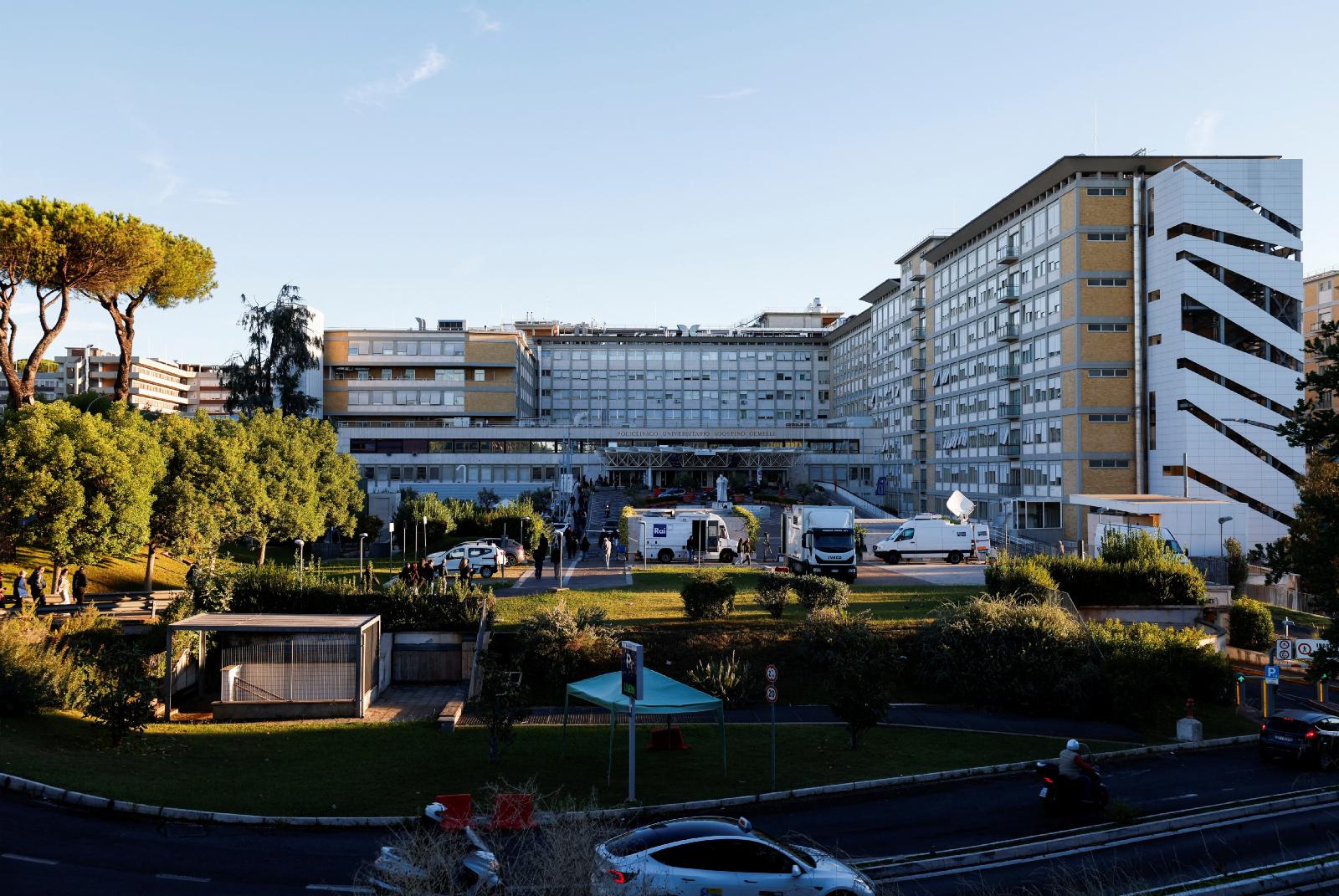
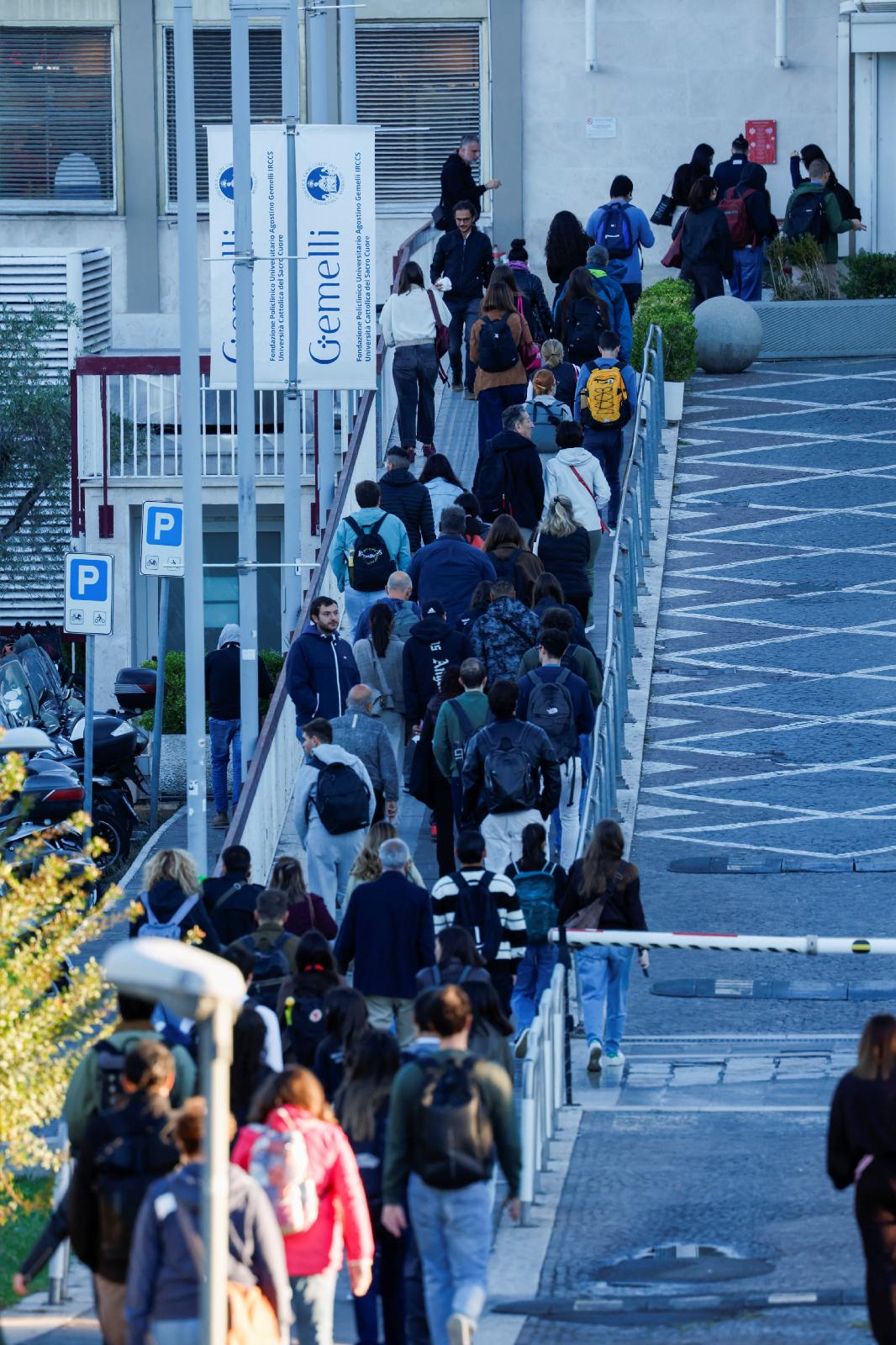
The Vatican has not disclosed whether Pope Leo received any neoadjuvant treatment before his Oct. 13 admission to Rome’s Gemelli Hospital for surgery that same day. Vatican spokesman Matteo Bruni said Oct. 14 that prior to surgery, Pope Leo had undergone several diagnostic procedures — a robotic bronchoscopy with biopsy, a chest CT scan with contrast, and a PET scan — which indicated the need for the operation.
Status of lymph nodes a key factor
Veeramachaneni said that in some patients, “if no lymph nodes are involved, and it’s a fairly small tumor,” surgery to remove the tissue plus regular follow-up imaging “is pretty much the only treatment that most people would get.”
However, he said, “if you have lymph nodes that are positive” for cancer, “or if a tumor is more than 4 centimeters in size,” then chemotherapy is the typical next step in adjuvant, or post-surgical, treatment.
All three doctors noted that another possible strategy is immunotherapy, a range of treatments that rally the body’s immune system to counter cancer.
Liu said that due to advances in cancer treatment, radiation “is typically not done after surgery any longer,” but often “instead of surgery for some cases, provided that the surgery was able to remove everything that was seen” in the imaging.
Post-surgical recovery and activity levels
The pace of post-surgical recovery varies, since “everybody heals a little differently,” said Chai.
But “activity levels are actually very encouraged after a lung surgery,” he said.
“The same day or at the very least the next day, we like to have our patients up, walking around and moving around so that the lungs or the remainder of the lungs can huff and puff,” Chai said. “The lung tends not to expand as much without activity, and patients are at risk of developing complications such as pneumonia.”
Even after leaving the hospital, patients are advised to “be out walking, using stairs, staying as active as possible so they can continue their recovery,” Chai said.
That movement also “helps reduce the rates” of possible blood clots, he added.
At the same time, experts differed somewhat as to when patients might undertake a demanding travel schedule, such as Pope Leo’s planned Nov. 6-17 apostolic journey to three South American nations.
“After lung surgery in particular, we do worry about changes in altitude and pressures,” which could cause the surgically reduced lung to collapse, Chai said.
While “it absolutely is possible” that Pope Leo could still complete the apostolic journey, “recovery is highly variable,” and travel often “needs to be delayed” to “prioritize health and safety,” said Liu.
Cancer is “a stepwise journey,” said Veeramachaneni. “A day at a time, one step at a time, and have some faith.”
Gina Christian is a multimedia reporter for OSV News. Follow her on X @GinaJesseReina.