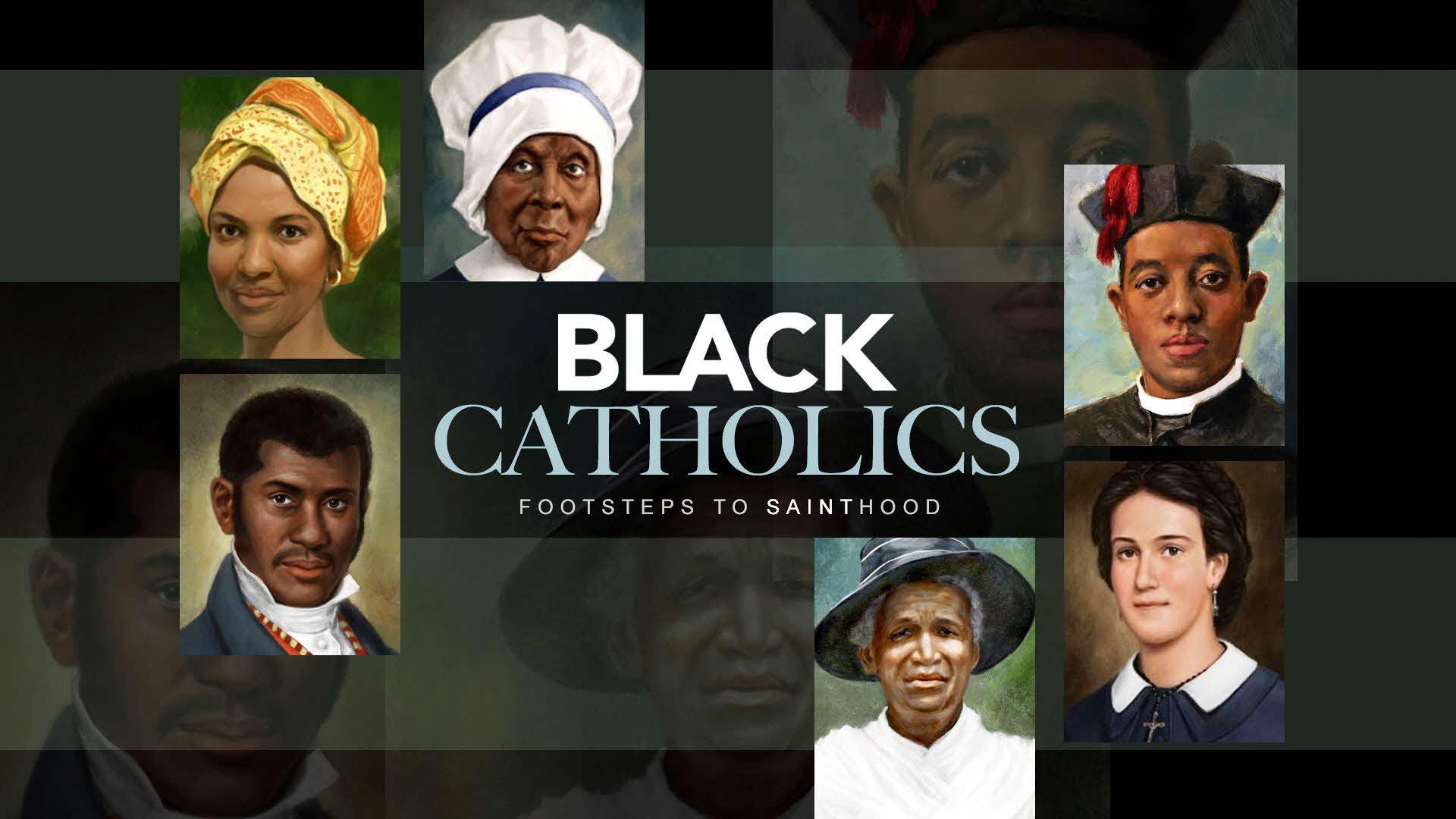
CHICAGO (OSV News) — A new documentary series on Black Catholics on the sainthood track is set to kickoff Nov. 2 on the Archdiocese of Boston’s CatholicTV network.
During Black Catholic History Month, celebrated every November in the U.S., the half-hour documentaries about six African American Catholics with sainthood causes in the United States will highlight lives of extraordinary service — driven by love — according to the show’s host.
In the first episode of “Black Catholics: Footsteps to Sainthood,” Father Augustus (Augustine) Tolton comes to life in a mixture of live acting and depictions aided by artificial intelligence. He was the first publicly recognized African American priest to serve in the United States.
Series producers held a media preview in Chicago, where Father Tolton served at Black Catholic parishes for more than a dozen years until his early death from heatstroke at age 43 in 1897.
The Father Augustus Tolton story
The son of enslaved Black Americans who were devout Catholics, Father Tolton, along with his brother and mother, escaped from Missouri across the Mississippi during the Civil War, finding freedom in Quincy, Illinois. There he received a Catholic education, but not without prejudice and difficulties. Priests and religious sisters mentored him and encouraged the young man’s vocation. Due to racism in the U.S. Church blocking his path to priesthood there, Father Tolton could only attend the seminary at the Pontifical Urbaniana University in Rome, which welcomed the vocations of people of color.
Retired Auxiliary Bishop Joseph N. Perry of Chicago, postulator for Father Tolton’s sainthood cause, opened the night with a prayer that he wrote for the priest’s cause.
Before the special screening, he told OSV News that Father Tolton’s “story naturally stirs sympathy in people.”
“I think we naturally gravitate to people who have come through great odds, suffered and struggled a lot, and somehow have survived,” said Bishop Perry. “And people hang on those stories, because they remind people of their own struggles, and help people give an assessment of their stories in ways in which … may have never occurred to them before.”
Nearly a dozen African American voices featured
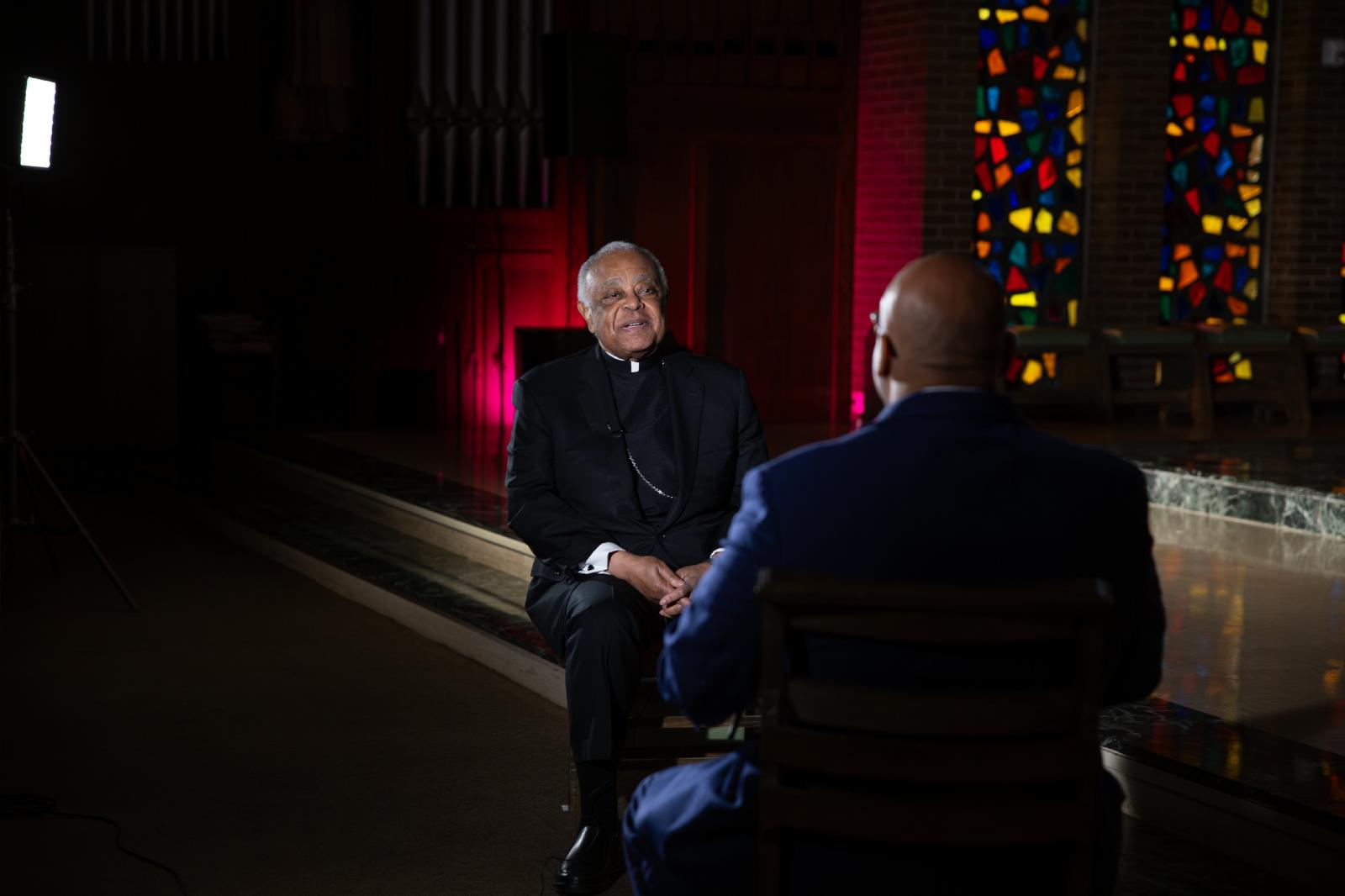
Bishop Perry’s voice is one of nearly a dozen African American voices interviewed in the whirlwind 30 minutes that packs in a significant combination of details about the priest’s life of service and his inspiration to Black clergy including bishops, priests and deacons.
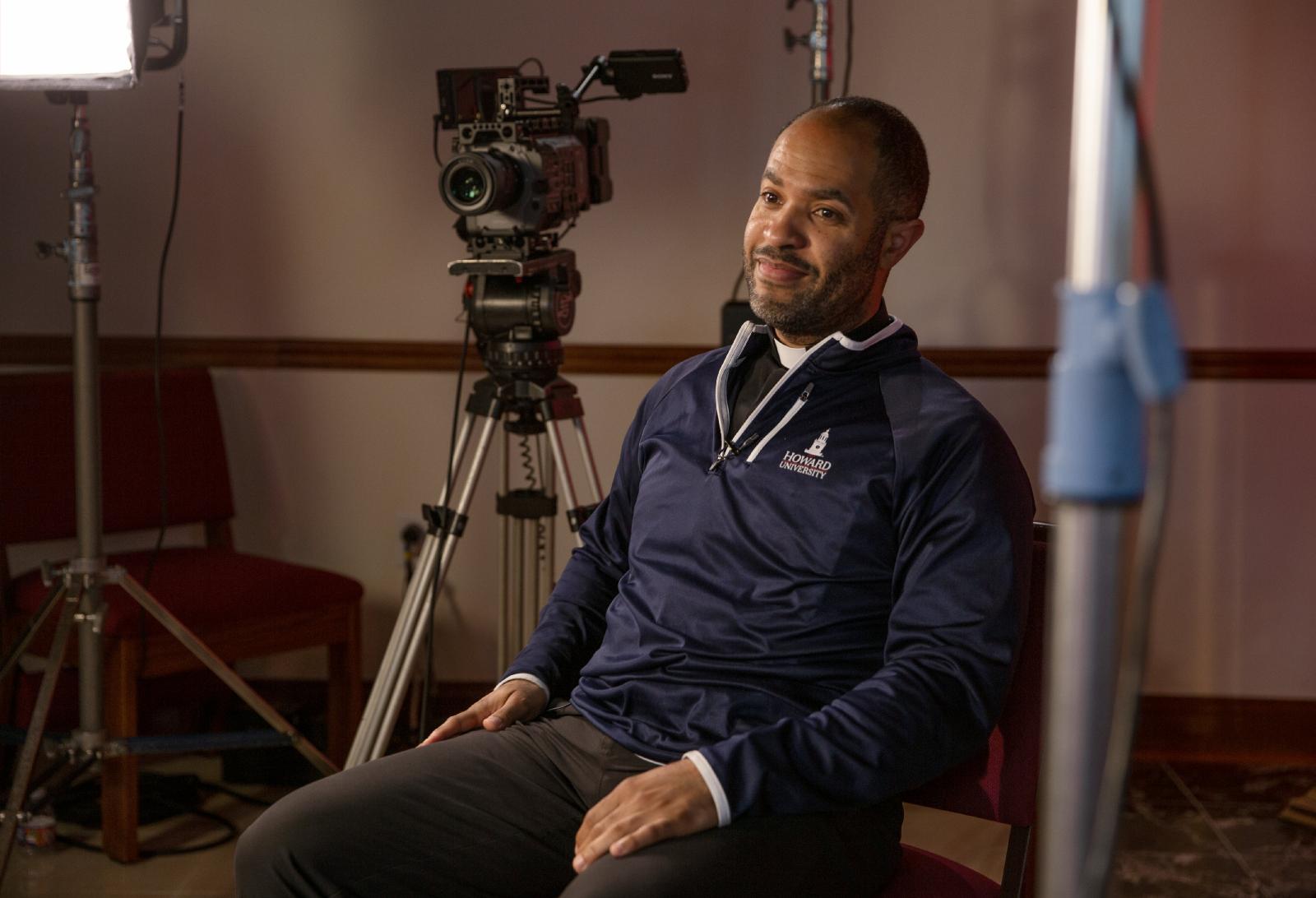
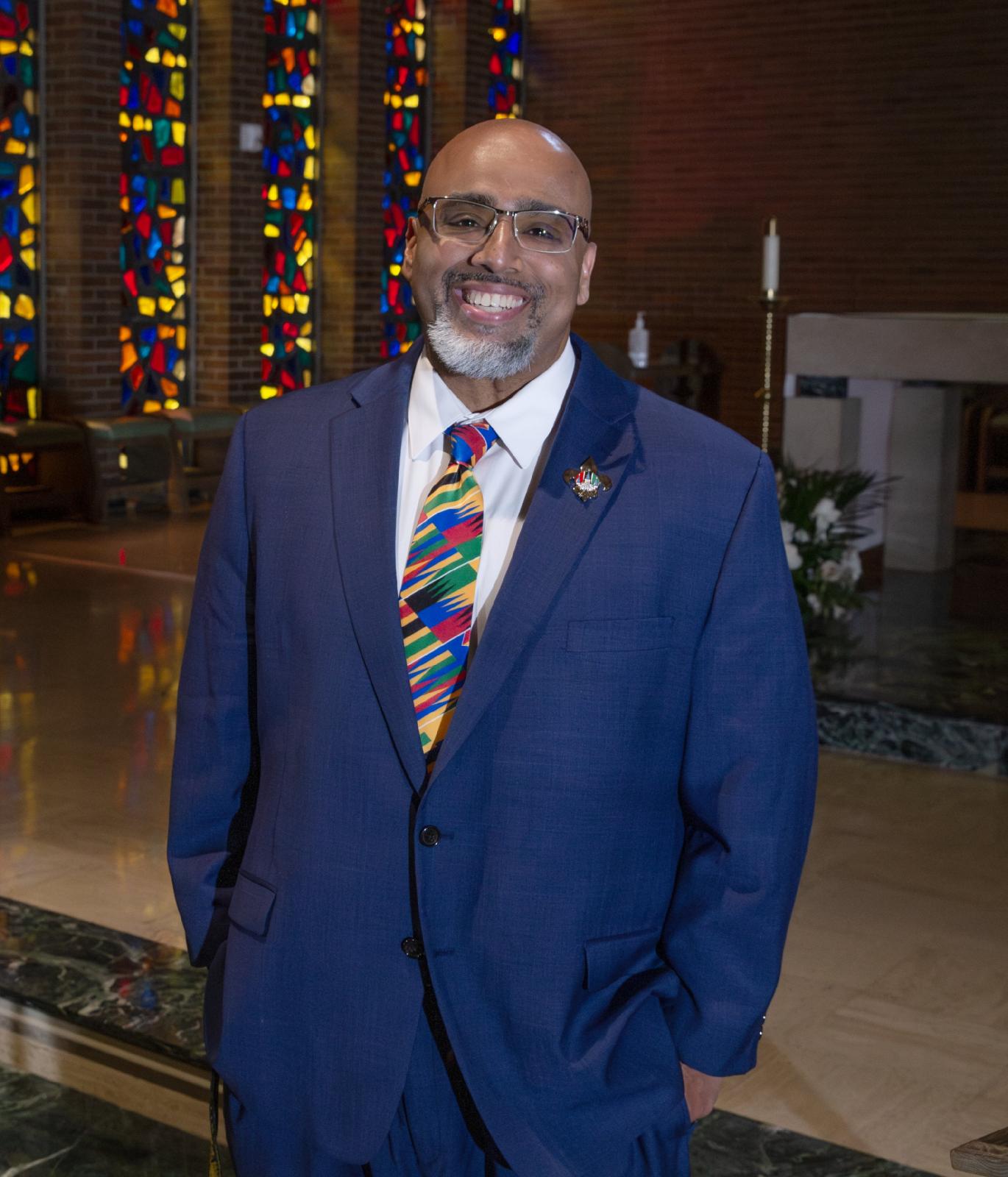
The series is hosted by Ansel Augustine, assistant director of the U.S. Conference of Catholic Bishops‘ Secretariat of Cultural Diversity in the Church and staff contact for the Subcommittee on African American Affairs. Augustine introduces each Black Catholic on the road to sainthood being featured and weaves in narration throughout each episode.
These “stories need to be told,” Augustine said.
“These are not just Black Catholic stories,” he told OSV News. “These are Catholic stories, especially in America, and beyond, because it talks about the importance, the contributions, the resilience, the faithfulness of these Black Catholic, holy men and women. … It’s important (for) when they become saints, because of the representation within the Church, the universal Church, and the inspiration they give, continually, to Catholics of all backgrounds.”
Inspiring examples of Black Catholics
Augustine pointed to the inspiring examples among the four venerables and two servants of God being featured in the series. Father Tolton, Mother Henriette Delille, Mother Mary Elizabeth Lange and Pierre Toussaint have been declared venerable, a recognition of their heroic virtues. Sister Thea Bowman and Julia Greeley are servants of God. Their sainthood causes originated in the U.S., he explained.
A seventh Black Catholic up for sainthood is Friar Martin de Porres Maria Ward, a Boston native and the first Black Conventual Franciscan in North America. His cause originated out of Brazil, where he served as a missionary for almost half of the 20th century.
As a group, they have been dubbed the “Saintly Seven.”
Augustine said, “Mother Henriette Delille, who is my own personal connection because she ministered in my neighborhood back home in New Orleans and and the nuns that she started, Sisters of the Holy Family, had a hand in raising me and helped me get into ministry when I was searching for what I wanted to do. … Her story of educating Black children when it was illegal is powerful.”
He noted some others, such as Pierre Toussaint and Julia Greeley, were actually enslaved, but they “did not allow society to define their worth and dignity — they believed in what God was telling them through their prayers, through their Catholic faith, to use their gifts to make society a better place.”
Black Catholics on road to sainthood used gifts ‘to make society a better place’
Mother Delille, born into a free family, whose great-great grandmother won freedom from slavery, founded her own order in 1842, when no congregation would accept a black woman.
Toussaint, who died in 1853, is the only lay Catholic interred at New York’s Old St. Patrick’s Cathedral, where he was originally denied entry because of his race. In New York, he and his wife served the orphaned, poor and marginalized regardless of their race with his own earnings as a skilled hairdresser.
Greeley, a devotee of the Sacred Heart of Jesus, was blind in one eye from a slave-whipping. In 1880, she entered the Catholic Church as an adult living in Denver where she served poor Black, white and immigrant families on the streets.
Mother Mary Lange founded the first Catholic religious order for women of African descent in the United States in 1829. Mother Lange’s Oblate Sisters of Providence taught children of color, who at the time were denied an education.
Sister Thea Bowman, born in 1937 to highly-educated, Black Methodist parents, fell in love with the Catholic faith in high school and joined the Franciscan Sisters of Perpetual Adoration, facing discrimination within and outside the order. She is widely known as an exemplary promoter of charity and inclusivity in her interreligious work and in highlighting contributions of Black Catholicism to the wider Church.
‘They were motivated by love’
“Like any of our saints, these were imperfect people in an imperfect world, trying to promote a perfect love,” Augustine said. “They were motivated by love to do what they did in each of their lives.”
“And I think that’s the inspiration that people will walk away with,” he said of the series. “That they didn’t allow the realities of slavery, the realities of segregation, the reality of racism, the reality of poverty, whatever it may be, to not let God use them.”
Simone Orendain is an OSV News correspondent. She writes from Chicago.