(OSV News) — Long ago, the Church designated two places as sacred: Catholic churches and Catholic cemeteries.
“Sacred places are those which are designated to divine worship or to the burial of the faithful by the dedication or blessing which the liturgical books prescribe for that purpose,” according to the Code of Canon Law, Canon 1205. A bishop is responsible for the blessing.
That cemeteries or places of burial are considered sacred can be traced at least to the early Egyptians who specially prepared the body for burial. In those times and for centuries later cemeteries were located outside city walls; case in point, the Crucifixion and the tomb of Christ were outside Jerusalem.
Eventually, Christian burial sites were located inside city walls, including catacombs. With the growth of Christianity and the evolution of parishes, by the early Middle Ages parishioners were commonly buried in the yard adjacent to a church. The churchyard was part of the parish and the site was perfect to continually honor the deceased, but as time went by, that arrangement didn’t last. More and more, cemeteries were built at locations separate from the parish.
That every parish has its own cemetery for its parishioners might be an ideal situation, but such is not the case. Today, Catholics who belong to a parish without a cemetery and desire to be buried in a Catholic cemetery pick from those managed by other parishes or the diocese.
Canon 1240 states: “1: Where possible, the Church is to have its own cemeteries or at least areas in civil cemeteries that are designated for the deceased members of the faithful and properly blessed. 2: If this cannot be achieved, however, then individual graves are to be properly blessed.”
Care for the dead
Many sectors of society seek to deny and keep the angel of death at a distance, but not so the Catholic Church. While we mourn and grieve when a loved one dies, the Church encourages us to honor death — it is not the end, but a change: “We shall not all fall asleep, but we will all be changed, in an instant, in the blink of an eye, at the last trumpet” (1 Cor 15:51-52).
We are made in God’s image, thus the Church pays homage to both the soul and the body with utmost respect.
This special care is a reflection of how Joseph of Arimathea and Nicodemus carefully prepared the crucified body of Our Lord (cf. Jn 19:38). They covered it with spices, wrapped it in a burial cloth and placed it in a new tomb. Their courageous actions were based on the love they had come to have for Jesus, not because they had a strong faith in his resurrection. Today, when Catholics bury someone, we have complete faith in their resurrection. The people of God resting in a Catholic cemetery lived with that same belief.
The Catechism of the Catholic Church directly addresses how we respect the dead: “The bodies of the dead must be treated with respect and charity, in faith and hope of the Resurrection. The burial of the dead is a corporal work of mercy; it honors the children of God, who are temples of the holy spirit” (No. 2300).
The high regard and respect for a deceased Catholic is further exemplified by the Church’s end-of-life rituals: confession, anointing of the sick, viaticum (the last rites), a wake or vigil, the funeral Mass, rite of committal and burial in the consecrated ground at a Catholic cemetery.
Each of these rituals is focused on assisting the soul of the deceased along its journey to meeting with Christ at the particular judgment. Throughout each step, the Catholic priest provides comfort to the dying and the family.
On this path, the cemetery is the final stop and the place of rest for the mortal body until the final judgment. While by tradition many Catholics are buried in Catholic cemeteries, they are not obligated to do so (cf. Canon No. 1180).
Consecrated ground
There are several reasons why a cemetery is designated as Catholic or, said another way, reasons that make a Catholic cemetery Catholic.
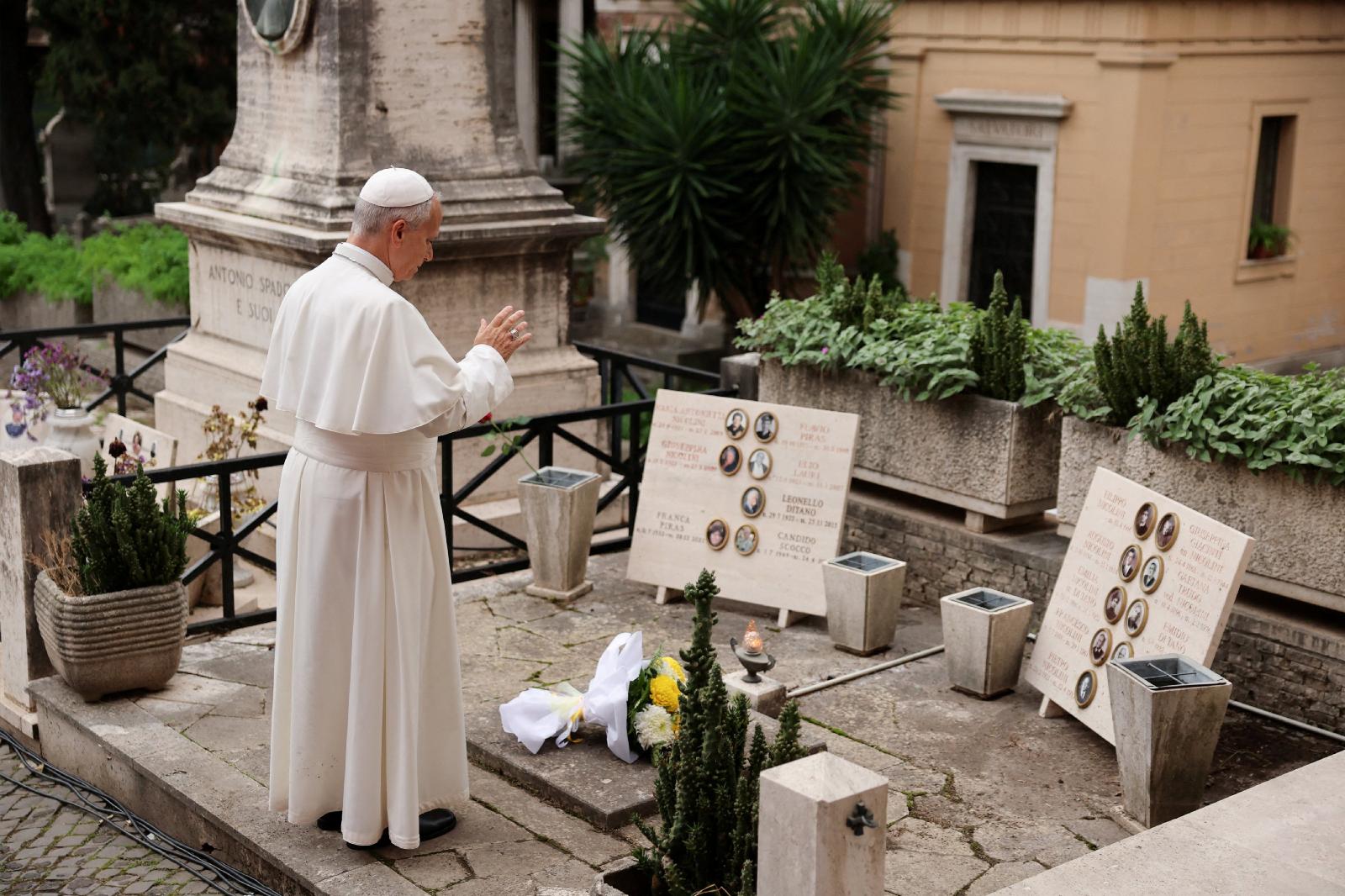
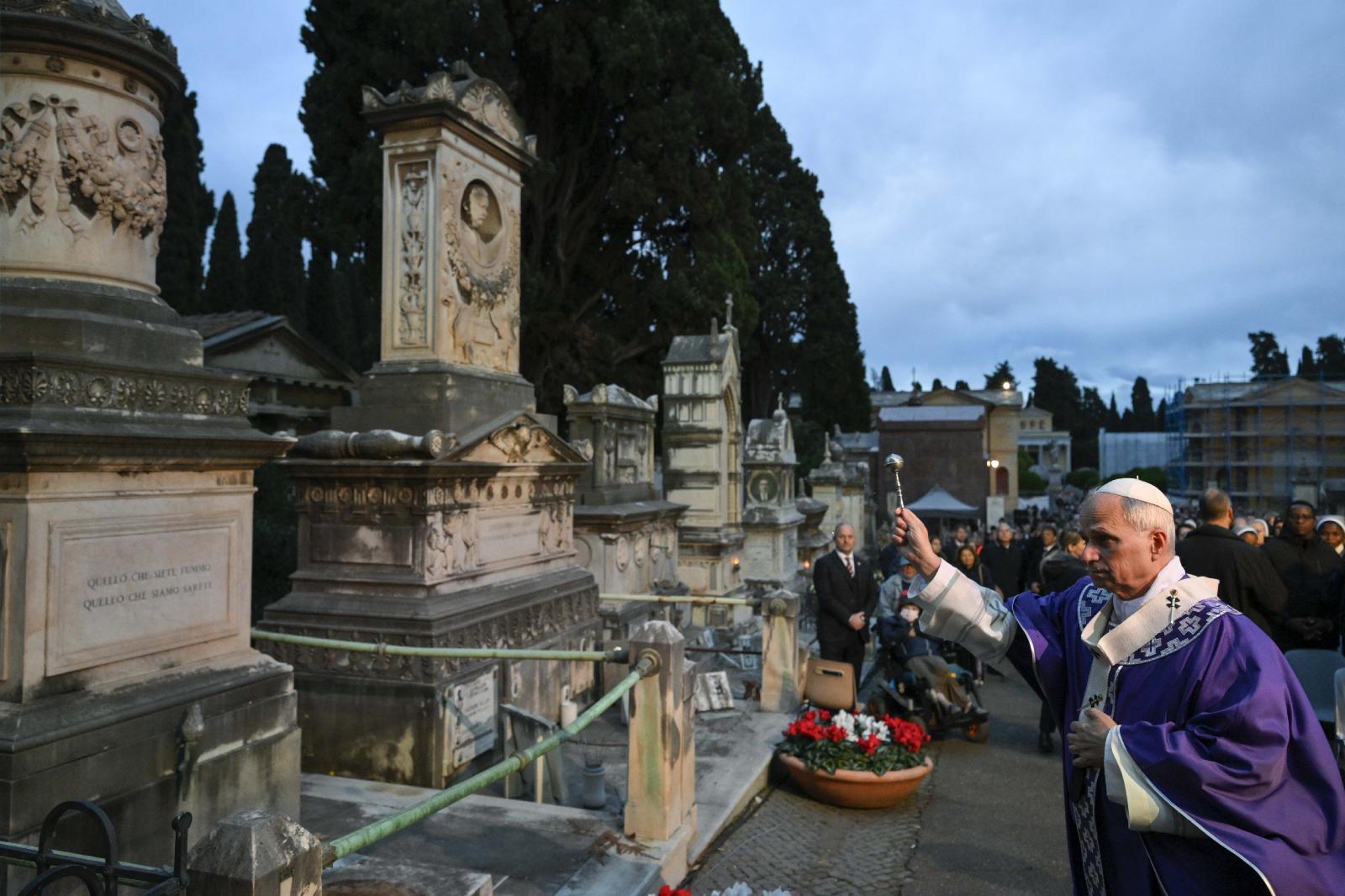
First, as mentioned, a Catholic cemetery is blessed or consecrated ground. A bishop or his designee has the honor to impart a blessing on a new cemetery. He walks around the boundaries of the area while sprinkling holy water. He continues the sprinkling over the entire grounds. He offers several prayers petitioning God that the cemetery be kept free from unclean spirits, “And at the end of time, when the angels sound their trumpets, let all who have received the sacraments of baptism, who have persevered in the Catholic faith until death, and who have their remains laid to rest in this cemetery, be rewarded in body and in soul with the unending joy of heaven,” according to the blessing rite.
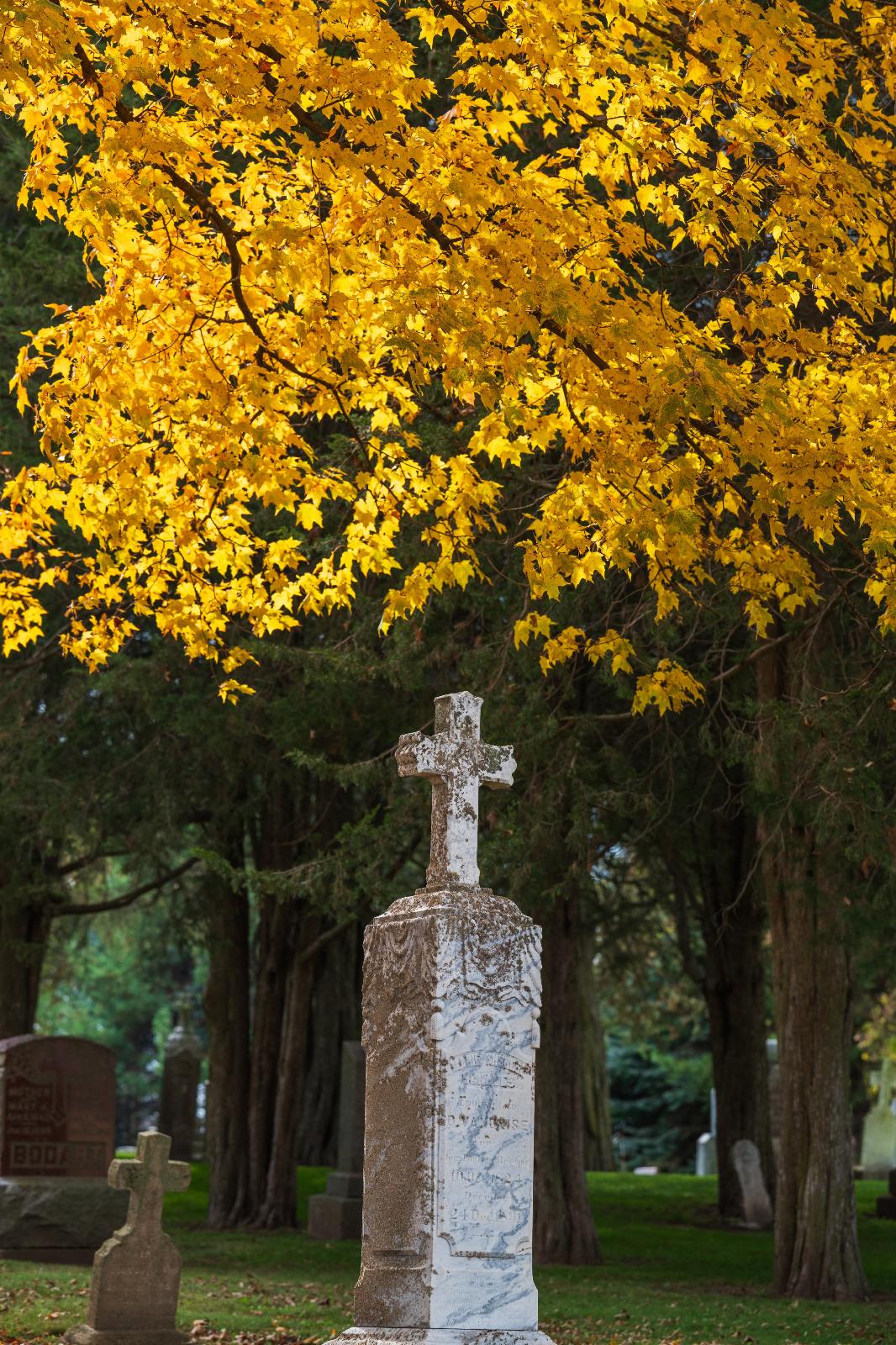
As time passes, the new cemetery becomes increasingly recognizable as Catholic by the manner and way a cemetery is adorned. The headstones, statues and images of saints, especially the Blessed Mother, of angels, the crucifix, the Pietà — all cry out the beliefs of those buried in this hallowed ground. Here we solemnly remember and pray for our beloved dead; we, too, seek some day to rest in such a sacred place. Management of the cemeteries, the values, standards and practices all reflect Catholic teaching.
Communion of saints
The Church teaches us that there is an unbroken connection between those of us living and those faithful who have passed into either purgatory or heaven. We are all considered saints: those of us living are the Church Militant, we are responsible to pray for the souls in purgatory (Church Suffering); those in heaven, the Church Triumphant, pray for us.
The Catholic cemetery is a place we all have in common; we are one family of believers, a communion of saints. In life, no matter where they went to Mass, they were never strangers, and they are not strangers here. They received holy Communion every Sunday, went to Mass on Ash Wednesday, processed with the Blessed Sacrament to the altar of repose on Holy Thursday, adored the cross on Good Friday, walked the Stations of the Cross, waited in line at confession, kept their palms until next year, carried out all those beautiful traditions of Catholicism.
As members of the communion of saints, the living can offer prayers on behalf of our sleeping brethren. The Mass is the ultimate prayer, and we can seek a Mass intention for the repose of the soul of those departed. The Eucharistic prayers of the Mass remember “our brothers and sisters who have fallen asleep in the hope of the resurrection, and all who have died in your mercy” (No. 2).
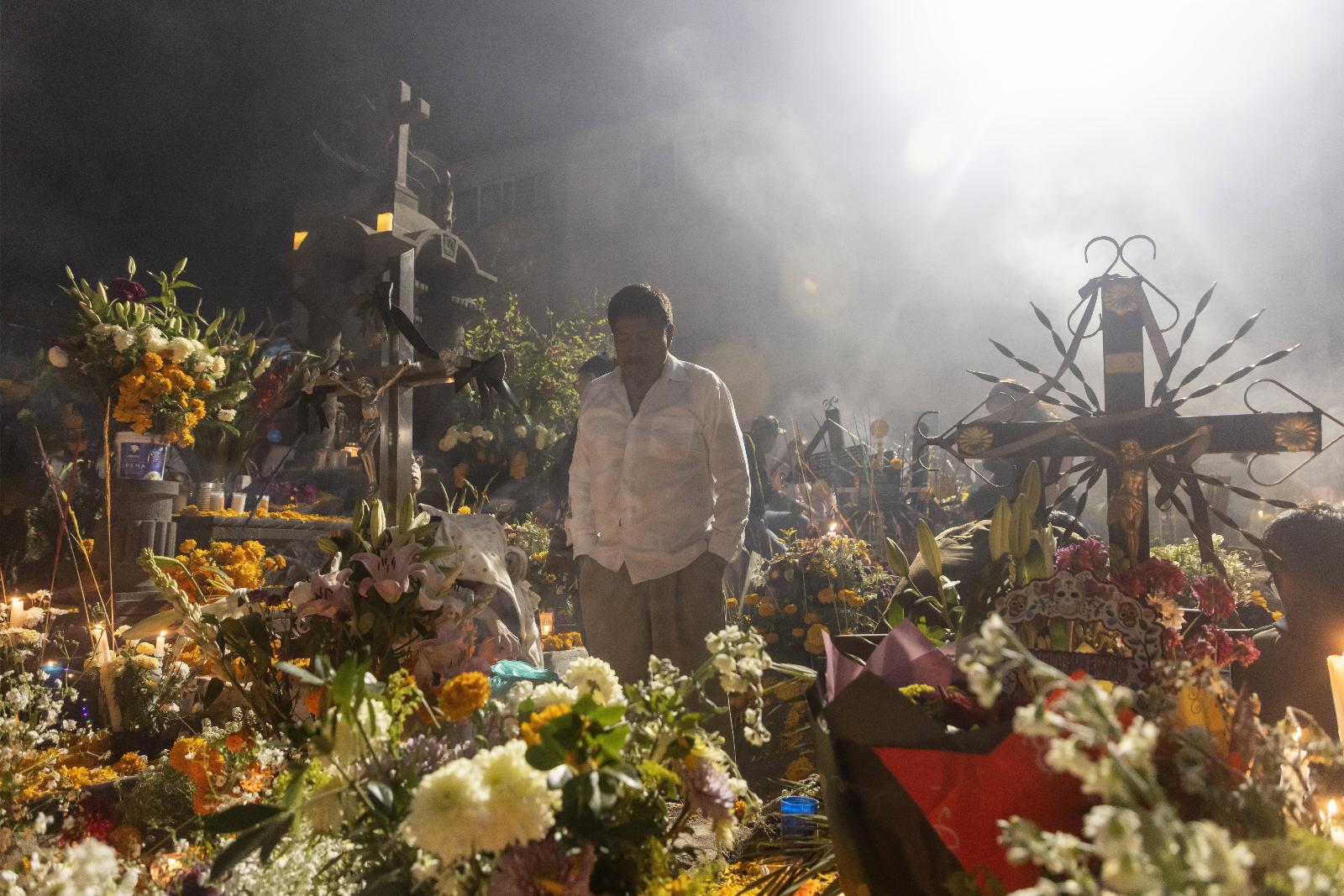
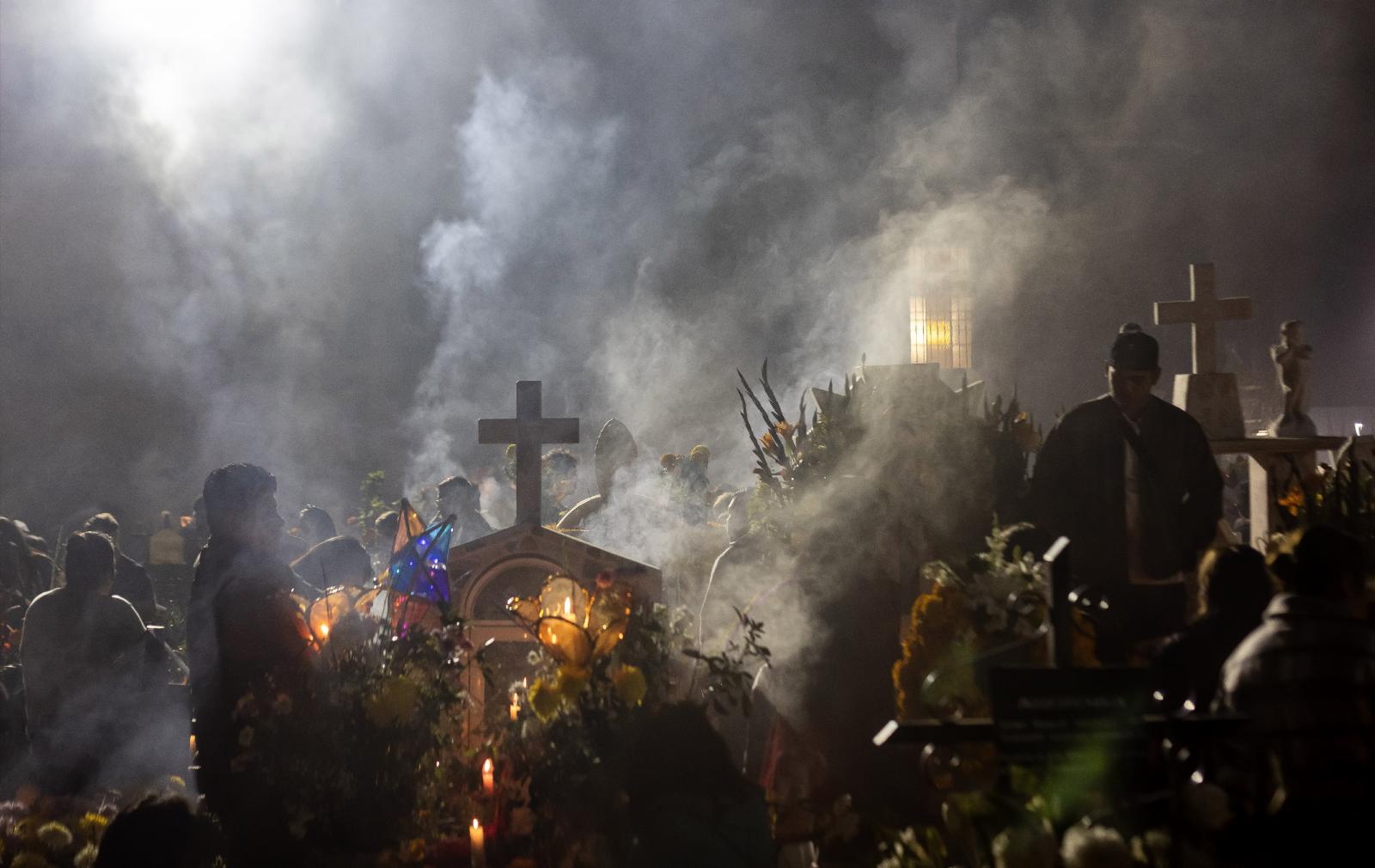
The priest says the prayers, and the congregation listening contemplates their deceased loved ones. In parishes, the entire month of November is given to remembering our departed friends and family. Masses are said and processions are sometimes conducted at Catholic cemeteries honoring the dead.
It is not unusual that the diocesan bishop will say Mass remembering the deceased in all the cemeteries of the diocese — especially during November. The Catholic cemetery calls to mind the fidelity that exists in the communion of saints, that the dead are not forgotten, that they continue to be honored.
D.D. Emmons writes from Pennsylvania.