
Catholics coming home: Major media campaign yields success

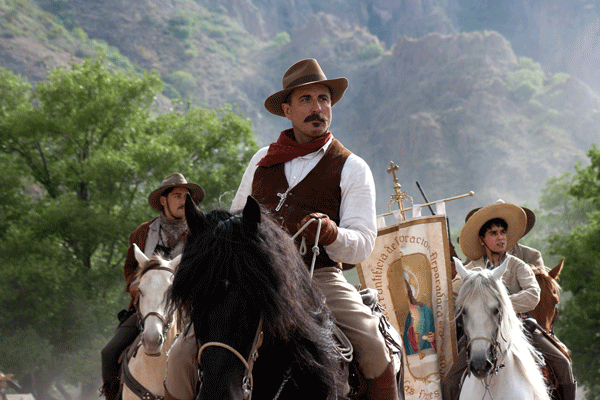
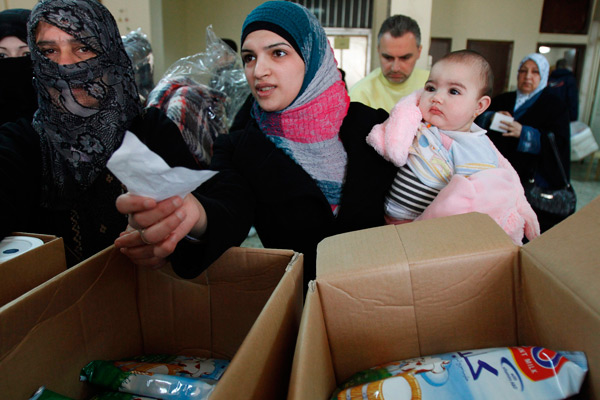
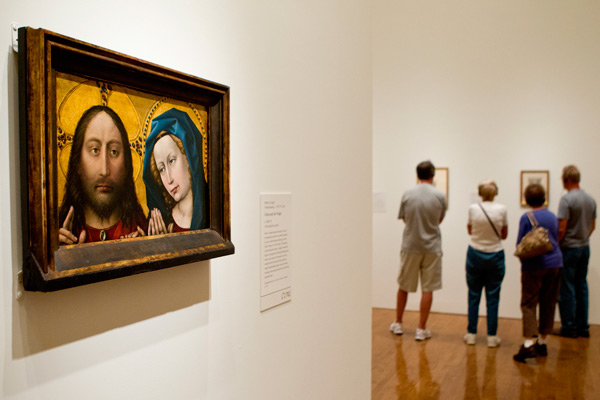
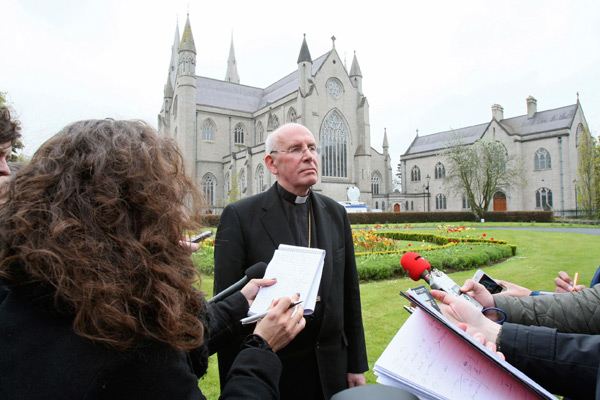
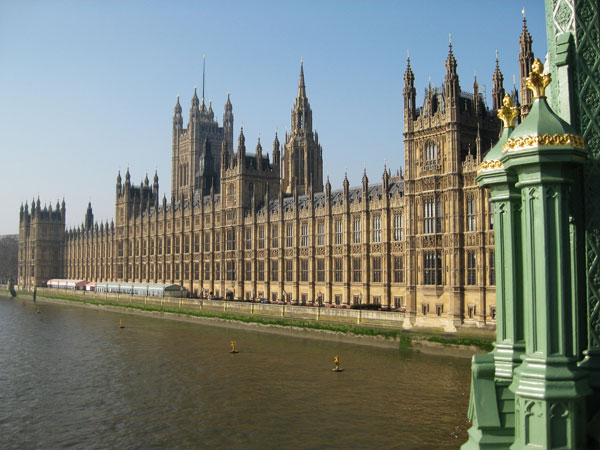
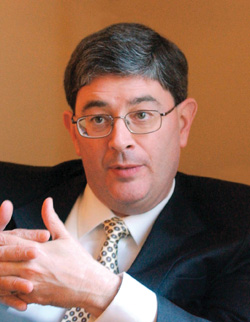
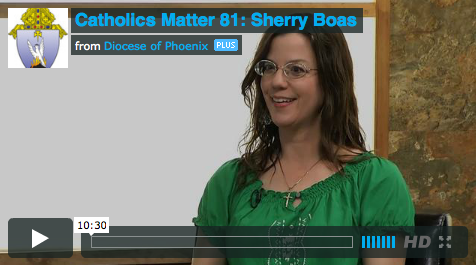
The Catholics Come Home campaign will air nearly 1,000 English and Spanish television commercials on local and cable networks from March 3 through Easter Sunday. The ads, which will feature the above images as well as testimonials, will direct viewers to www.catholicscomehome.org. The ads will remind fallen away Catholics of the good works of the Church.

Television is often seen as having a negative influence on viewers, but it recently had a positive impact on the lives of local Catholics.

Roughly 6,000 people from Phoenix and northern Arizona responded to the nearly 1,000 Catholics Come Home television spots that aired on local and cable networks throughout the weeks leading up to Easter Sunday.

The series of television spots showed the Church’s rich history, the real testimonies of why Catholics fell away and returned to the faith, and how Catholics continue to contribute to the good of society.

“The results are incredible,” said Tom Peterson, president and founder of Catholics Come Home, a new lay apostolate behind the media campaign. “God has graced us with a means to help thousands find their way home to the Catholic faith.”

Nearly 3.5 million viewers in the diocese — which was a test market for the campaign — saw the ads a dozen or more times. Current Catholics, fallen-away Catholics and non-Catholics responded by logging on to the campaign’s Web site, www.catholicscomehome.org.

“Each one makes us leap for joy,” Peterson said.

Word about the campaign and the site quickly spread through e-mails and Catholic blogs, which brought 54,000 visitors from 70 countries to the Web site.

Though the television campaign concluded in March, the Web site is now a permanent feature that offers an overview of the faith and addresses marriage issues, grieving and reconciliation. Roughly 7,800 Web visitors said they were former Catholics.

More than 5,500 searched information regarding marriage issues — one reason many fell away from the Church. Some 5,000 looked up Mass times.

Although these statistics give a general impression of the campaign’s results, Ryan Hanning, the coordinator of adult evangelization for the diocese who worked closely on the campaign, said most Catholics who have returned are under the radar.

A Flagstaff woman may be one of them. Therese Fronske, a San Francisco de Asís parishioner, encountered a returning Catholic during her rounds as an extraordinary minister of the Eucharist at the Flagstaff Medical Center on Easter Sunday. She stopped to pray for a moment before visiting the next patient.

“At the same moment, an employee came down the corridor and joyfully greeted me saying, ‘Catholics come home — I have come home,’” Fronske said. The employee described her experience and asked to receive Communion.

“It was a very rare and beautiful encounter,” Fronske said. “I’m sure the commercial will have a similar effect on many others who have left the Church. They want to come home, but need the reassurance that they are welcome.”

Hanning said engaging in dialogue with those who have fallen away is the first step in bringing them back. He and other Church leaders responded to questions and testimony from 600 people during the campaign.

“It is difficult to know the direct impact of the commercials and how far-reaching the impact will be for the countless seeds that were planted in the hearts and minds of the millions who saw the ads,” Hanning said.

In a diocesan-wide survey, 27 percent of pastors, deacons and catechetical leaders felt Mass attendance — which usually experiences a bump at Easter time — was above normal.

Fr. Loren Gonzales, pastor at St. Charles Borromeo Parish in Peoria, saw more new faces at Mass, but couldn’t directly tell how much was attributable to the media campaign versus the parish’s other outreach efforts.

Both Fr. Gonzales and Fr. John Coleman, pastor at St. Andrew the Apostle in Chandler, noticed an increase in confessions.

“Several people have come to confession that were away from the Church for 10 or more years — more than usual we think,” Fr. Coleman said.

Angie wrote in to the Web site said she was away from the Church for 35 years and an agnostic for 20 years, but the Catholics Come Home campaign moved her to look up Mass times online.

“I thought it was very forward thinking in the fact that the Catholic Church was willing to place an actual ad that was not preaching anything, not selling anything… just offering a way back for those who might want to think again or look into the Catholic faith.”

Peterson said 33 percent of Web inquiries were from those considering entering the Church. He said he never expected the campaign to help someone say, “Hey, I’m thinking of becoming Catholic. How do I do that?”

Whether the new faces at church are appearing for the first time or returning after years of absence, parish leaders want to help them heal and ensure they keep coming back.

Many parishes already have programs set up for returning Catholics, with 35 percent holding special events this Easter season.

A Phoenix advisory team will look more closely at the campaign’s results April 23-24 to create a national blueprint.

“What greater good is there than to bring a soul to Christ?” Peterson said. “It’s just going to snowball to the rest of the country and the world.”

Catherine E. Hanley in Flagstaff contributed to this story.

Catholics testify on the air; local faces urge a return to the Church

The Catholics Come Home campaign will air nearly 1,000 English and Spanish television commercials on local and cable networks from March 3 through Easter Sunday. The ads, which will feature the above images as well as testimonials, will direct viewers to www.catholicscomehome.org. The ads will remind fallen away Catholics of the good works of the Church.

It’s not every day that television airwaves are used to share the Catholic faith. It’s even more rare for such a message to feature local people and sites.

But, thanks to a new and innovative ad campaign, that’s exactly what will happen during the next three weeks leading up to Easter Sunday.

The “Catholics Come Home” media campaign will air nearly 1,000 commercials on cable and local stations featuring local churchgoers and religious leaders. The ads show viewers the hallmarks of the faith and entice them to return to or join the Church.

“The commercials help remind our world that the Church and its history are integral to our civilization,” said Fr. John Bonavitacola, who is surrounded by busloads of local youth in the closing shot of one of the TV spots. The candlelit crowd is gathered around an altar for Mass at dusk at South Mountain.

“Rather than being a force for ill, the Church has been and is a force for good. It does not hold back the progress of history, but rather has helped move it forward,” the Our Lady of Mount Carmel pastor said.

The ads also draw on the testimony of local Catholics, like Frank Yanez, who share how they drifted away from the Church and the joys they found when they returned.

Search for meaning

“They had it set up just like a movie studio,” Yanez said about the filming this summer at Holy Cross Parish in Mesa.

Yanez, a parishioner at St. Henry in Buckeye, said the experience gave him a true appreciation for the work of video producers. He found himself answering questions like “Why did you leave the Church?” several times so producers could get the take just right.

“It wasn’t like I quit going,” Yanez said. “I was still going to Mass. I was sitting there watching my watch saying, ‘Come on, Father. Hurry up.’”

Mass was no longer meaningful, only habitual, he said.

“I didn’t even have a heart for it. It was an empty act,” Yanez said. That was largely because he carried a sin with him for at least 10 years that he thought God wouldn’t forgive. Yanez describes his feeling of forgiveness in the commercial.

Going to church was also habitual for Dee Tamminen. Attending Mass was more out of what she called “that Catholic obligation” than true desire.

“I might have found a church at Christmas time and gradually quit going,” she said in the commercial.

She was mad at God after losing her dad at a young age. Years later, God let her see her dad in a dream, she said. That helped Tamminen get rid of her anger and through the outreach of her husband — who wasn’t even Catholic at the time — and their local priest, she returned to the Church.

Now that she’s back, Tamminen said she doesn’t feel like she ever left.

Tamminen, director and teacher at St. Anne Little Flower Montessori School in Gilbert, said the camera crew treated her like a star during the filming, ensuring her hair and makeup were perfect.

But it wasn’t just those being interviewed for the testimonials who received star treatment. Religious leaders, parishioners and students who were filmed on location did too.

“I kept sweating and making the makeup people work hard,” Fr. Bonavitacola said. The outdoor Mass he offers in the commercial took several hours to film.

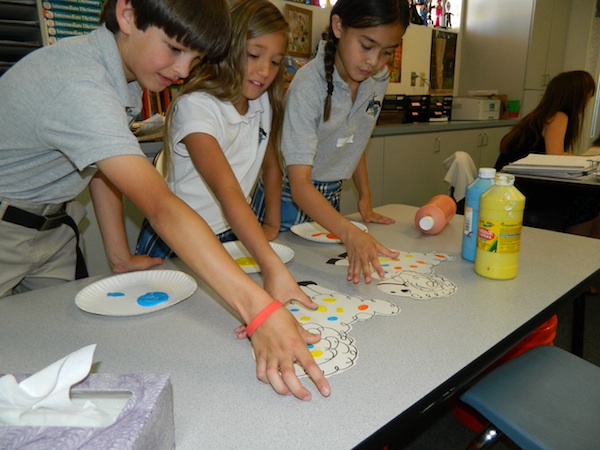
It took the whole day to film the classroom scene at St. Agnes School last fall. Several students and someone the children called their “substitute teacher” — who was really an actor — appear in the commercial for a few seconds.

“The children were great. They were exhausted,” their real teacher, Sylvia Avery, said about her first- and second-graders.

She said the experience helped the students begin to realize that being Catholic means something.

“That identity was very special to them,” Avery said.

That’s what the “Catholics Come Home” campaign is all about: making people feel proud to be Catholic while reaching out to those who have left the Church or have never been a part of it.

“What’s neat is that we get to use modern technology and the power of the media,” Fr. Bonavitacola said of spreading the Gospel.

He just hopes parishioners are welcoming and parishes have programs and processes ready to transition them back when viewers respond to the media campaign by returning to the Church. His parishioners are ready to continue their tradition of welcoming new and returning members.

“We deliver homemade bread to their homes as a way of telling them we are glad they are back,” Fr. Bonavitacola said about his returning parishioners. “I hope to be baking a lot of bread this year.”

Welcome back, Catholics: Major media campaign urges Catholics to return to their faith

The Catholics Come Home campaign will air nearly 1,000 English and Spanish television commercials on local and cable networks from March 3 through Easter Sunday. The ads, which will feature the above images as well as testimonials, will direct viewers to www.catholicscomehome.org. The ads will remind fallen away Catholics of the good works of the Church.

Note to television viewers: Don’t touch that dial, especially during the commercials.

Beginning next month, central Arizona residents will experience an unprecedented wave of TV spots urging fallen away Catholics to return to the Church.

The Catholics Come Home campaign, a grand endeavor of the Catholic apostolate by the same name, will begin airing nearly 1,000 English and Spanish television commercials on local and cable networks.

The commercials, which begin on March 3 and run through the duration of Lent, detail the good works of the Catholic Church throughout history. They also offer real-life testimonials of local fallen away Catholics explaining what turned them away and what drew them back.

Each commercial leads viewers to the interactive Catholics Come Home Web site, found at www.catholicscomehome.org, where they can find answers to questions about Church teaching and how to study it. The site also offers an overview of the faith, with additional resources and books.

The Web site also addresses marriage issues, death and grieving, as well as the sacrament of reconciliation.

Visitors can find answers to questions about Church teaching that may have led them away.

Most fallen away Catholics don’t hate the Church, said Tom Peterson, who’s heading up the campaign. “They dislike what they think the Catholic Church teaches.”

Peterson, who grew up in Phoenix and holds Bishop Thomas J. Olmsted in high esteem, felt led by the Holy Spirit to choose the Valley as a test market. He will evaluate the campaign’s impact through Web analysis, Mass attendance and parish feedback.

A lot of pro bono production, nearly $1 million from a private family foundation and a grant from the Catholic Community Foundation, helped put these ads on the air.

Those involved behind the scenes — including Peterson and several leaders from the diocese — are hopeful for its success.

“There is an incredible amount of Catholics who have received poor formation or who for other reasons have fallen away from the Church,” said Ryan Hanning, coordinator of adult evangelization for the diocese.

“The reason they left is they got swept up in this culture that tells them that their religion is not important, that Catholicism is not welcome here,” he added. “We need to increase our efforts to those adults who have fallen away.”

Paraphrasing Pope Benedict XVI, Hanning said that God calls the Church to place adult catechesis at the heart of its evangelization.

Some Catholics already want to “come home.” Hanning receives seven or eight phone calls a week from people wanting to return to the Church.

Catholics in the media

Test research showed that the Catholics Come Home ads created a positive impression of the Church after one viewing. Producers expect the average household to see the commercials 13 times.

One series of 30- and 60-second ads illustrates the history of the Church, its contribution to Western civilization and its compassionate service.

“The vast majority of our spots received an extremely high response, stating that they were positive, inspirational and thought-provoking,” Peterson said.

The television spots “really resonate with the overwhelming majority of people looking for some answers, in need of healing in their lives, reconciliation with God and the love and support of their Catholic family,” he said.

Peterson said it is his prayer that the campaign will motivate active Catholics to become stronger in their faith, help inactive churchgoers return to parish life and move non-Catholics to enter Rite of Christian Initiation for Adults programs.

Preparing the parishes

Hanning has spent recent months preparing pastors and parish staff on how best to welcome fallen-away or returning Catholics.

As part of that effort, the Phoenix Diocese launched a Web site connecting parishes with resources that parish leaders have found useful in their ministry.

It also outlines five themes priests and catechetical leaders identified as key to helping Catholics return to the faith: reconciliation, understanding the Mass, prayer, marriage and family life.

“Our hope is to provide useful and pertinent resources to help each parish form a response that fits,” Hanning said.

“During Lent and into the Easter season, we hope that every parish and every Catholic stands ready to welcome and receive those who return,” Hanning added.

Bishop Olmsted said it’s a blessing to be part of the initiative that if successful will expand to dioceses in Kentucky, Nebraska and Massachusetts for further implementation. Organizers hope to ultimately bring the campaign to national and international viewers.

“The TV ads will move our active Catholics to even greater gratitude for their faith,” the bishop said. “It will prompt the inactive ones to consider again the importance of the Catholic faith in their lives and that of their families.”