
My grandmother’s name was Josephine, though she was affectionately called “Jo” by her friends and “Gramma” by us grandkids. When I was growing up, she lived at home with us. Gramma was quiet and helpful in the house. I still remember her holding me in her lap, reading to me in my earlier years and how she loved to watch the Padres on television, keeping score and stats on each of
the players during the game.
As she aged, my parents made the difficult, yet important decision for her to move into an assisted living facility. As you can imagine, there were a lot of ups and downs, as well as struggles and reliefs that came with this decision.
You know what was really special? Amidst all of it, Gramma’s community stayed with her. The priests came to bring her Communion, we grandkids came for regular visits and friends from the parish checked in on her.
I’ll always remember that, and it’s a big part of my vision for what I like to call “whole person care.”
When I was in the Diocese of San Diego in 2016, I was asked to study trends related to physician-assisted suicide. We realized that the folks who were opting in were predominantly Caucasian, upper class and educated. There wasn’t a single African American or Latino in the research.
Though there isn’t enough data, my suspicion is that within a demographic that can tend to emphasize individualism, self-dependence and pushing capacity to the very limits at
any cost, there must be a great deal of isolation and loneliness.
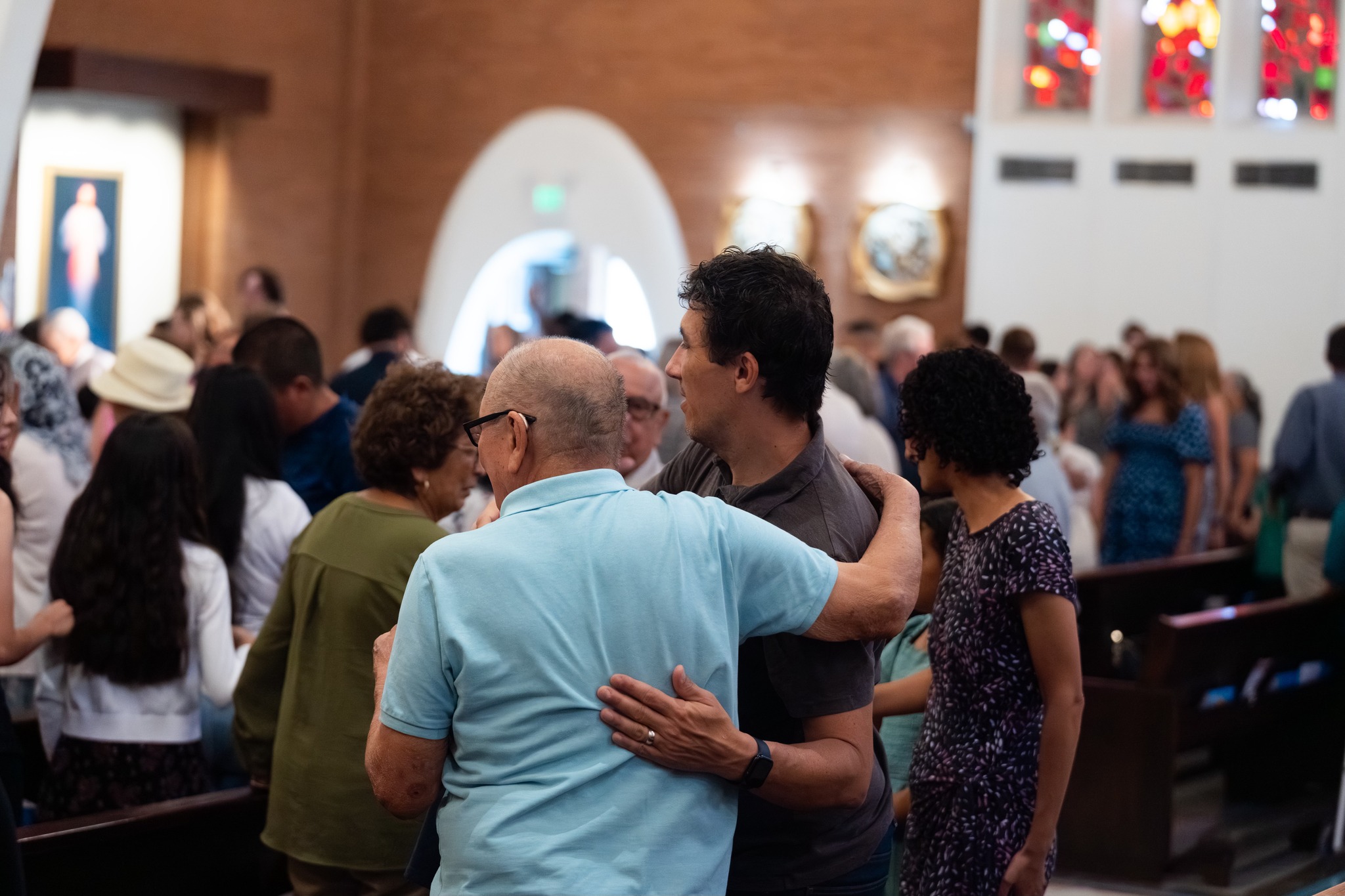
I began to ponder how, across ethnicities and beliefs, we all long for value and connection, to be seen and to be integrated in community. As we go through the ups and downs of life, we need one another, whether that’s during a struggle with a mental health challenge or navigating the transitions of aging. We need whole person care.
And I think grandparents and seniors often feel the brunt of this burden.
While we have day-programs and hospital care for those who are in their golden years, how do we integrate support and accompaniment into all of the moments in between? How are we making sure our aging parents, grandparents and community members are seen and supported daily?
Here in the Diocese of Phoenix we are pursuing creative approaches, like building assisted living facilities on large parish properties to integrate both communities. And I’m excited about that! But I believe whole person care begins with each one of us considering our need for one another and how we might be called to be a piece of that support in the lives of those around us.
If you are a grandparent or in a season of transition related to aging, I encourage you to be bold — reach out, look for opportunities to grow in integration in your own community and push past the pride and admit, “I need help as much as I want to give help to someone else.” You may be surrounded by incredible opportunities to connect that you haven’t yet considered, and you have great gifts and wisdom to share with those around you.
If you have grandparents or aging parents in your life, I encourage you to reach out to them and ask how they are feeling in this season of life and how you can accompany them. You will not regret connecting, learning from their wisdom and receiving the gift they are in this particular season of life. You never know the impact of a single visit and a sincere “How are you doing?”
Gramma’s presence in our childhood home taught me that every person is a gift, and I truly believe that through small efforts of connection, we can grow leaps and bounds in caring for one another more wholly. Especially then will we experience the truths we all need to be reminded of: you are loved, you are not alone and you are never a burden.