

To the visible eye, I am not a very good godmother.
By outside, tangible measures, I am failing. In the years that followed my conversion around the age of 30, I became godmother to a number of sweet little ones. But even as my own spiritual life developed, I never seemed to remember to do those godmother-ish things that I saw others do. Time spent one on one with a godchild proved difficult with our growing family, special gifts seemed unfair to my godchild’s sibling(s) and I was never one for big flashy gifts or envelopes of cash.
At one point, I desperately asked my parish priest, “What WAS my responsibility, realistically?”
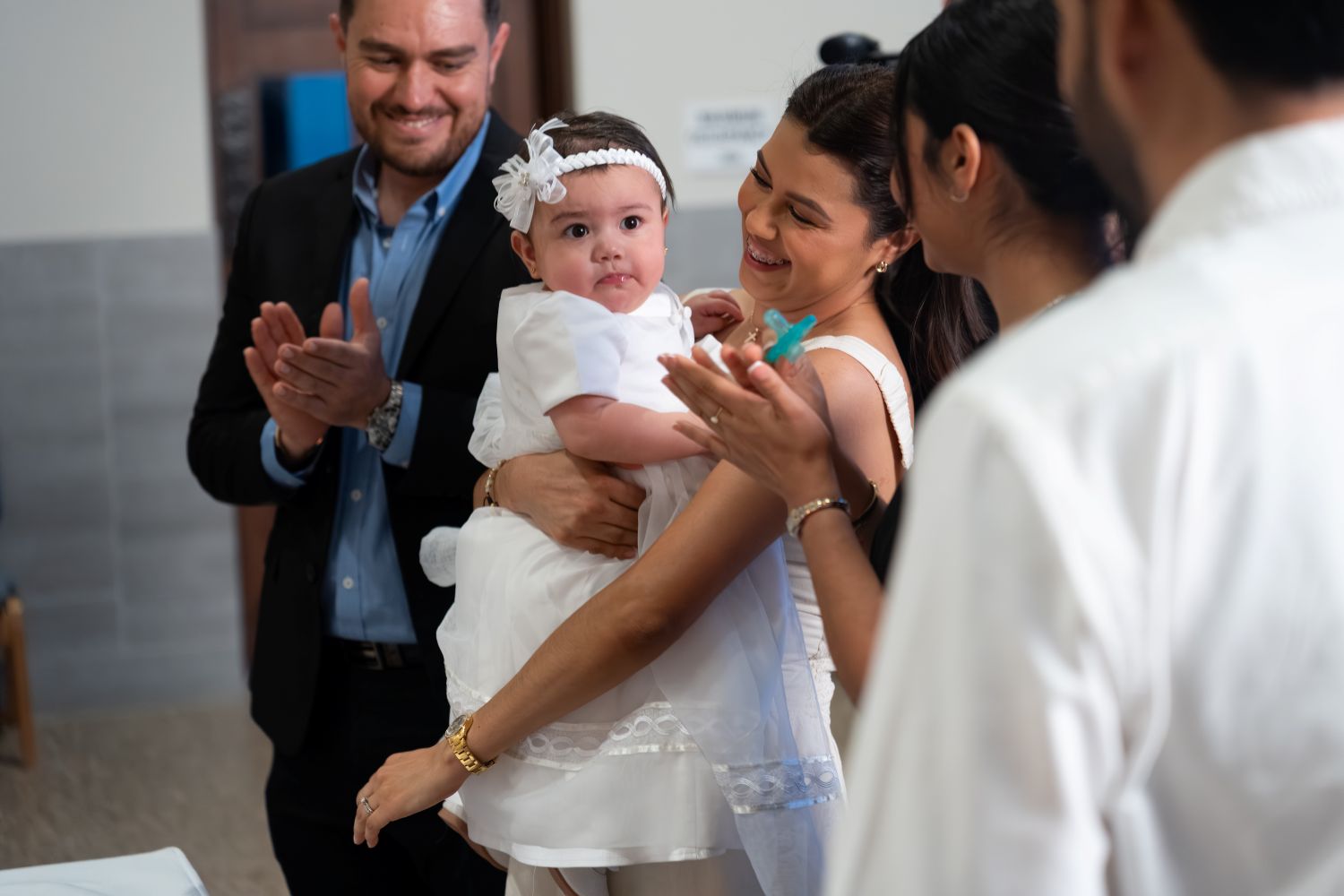
At the time of baptism, the godparents and parents both profess promises before God and the community present, to reject sin in a number of poignant ways, and they agree to certain statements taken from the Apostles’ Creed. But prior to all of this, the godparents specifically are asked one question:
Are you ready to help the parents of this child in their duty as Christian parents?
It is a simple answer: I do.
The words fall off the lips so easily.
Of course we want to help the parents of this little one. But what does that actually entail? As the baby becomes a toddler, child, adolescent, young adult — how do godparents actually help the parents in their duty?
The idea of a godparent present at activities, events and celebrations, showering the child with love and affection is sweet. But it isn’t exactly what the godparent signed up to do. Together with the parents, we are instructed to “make it your constant care to bring them up in the practice of the faith” and we promise to help keep the flame of faith burning bright in the life of the child.
Almost 25 years ago, when I first recited my “I do” to those promises in the sacrament of baptism, I was living in a separate state from my sweet goddaughter, but I loved her more than I ever had thought possible. Put bluntly, I would have — and still would — take a bullet for her. But knowing how to support any of my godchildren on their spiritual journey to sainthood has been challenging. Here are three things that any godparent can do to make it his or her constant care to bring the child up in the practice of the faith:
Pray for your godchildren’s spiritual, physical and emotional well-being. Praying for our godchildren isn’t flashy, fun or memorable, but it matters. Just as I pray almost constantly for my own children, praying with deep intentionality for my godchildren is a must. Unite your daily sufferings in prayer for your godchildren and let your pain or frustrations each day be redemptive in nature.
Accompany them on their spiritual journey — be accessible. If you don’t see your godchild regularly, it can be hard to develop a relationship with them. But if you are intentionally interested in them and their life, the constancy of your presence will make a difference. Send them little cards or special messages, remember their baptism day with a small gift or prayer card and give them a little extra attention when you see them.
Be a witness of a life well-lived for Christ. As godparents, you are called to witness the faith in action, in word and deed as you love God and your neighbor. There is no room for hypocrisy in the life of a godparent.
Being asked to be a godparent is a great honor, but it is not an honorary title. Your prayers, love and witness are essential.
I may not ever manage the picture-perfect moments of godparenting, but my truest success lies in helping to kindle and nurture the light of faith in my godchildren. In the end, being a godparent is not about grand gestures or outward appearances. It is about quiet faithfulness. It is a vocation of hidden sacrifices, steady prayer and unwavering support. It is about showing up — not always in person, but always in spirit — with a heart turned toward Christ and a commitment to walk alongside your godchild and their family on the road to heaven. And if we do that, even imperfectly but with love and sincerity, then we have lived our “I do” well.